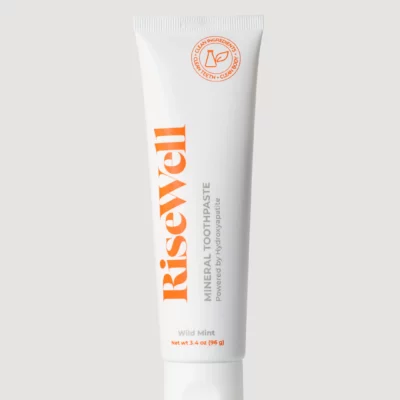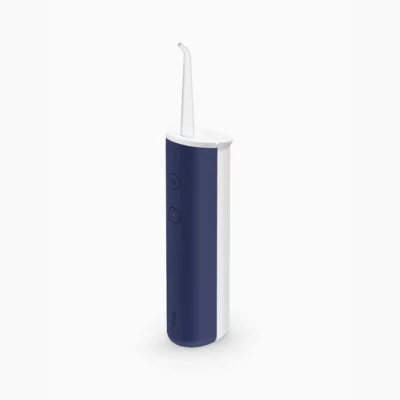


When everybody was talking about the gut microbiome, I started taking gut supplements and eating sauerkraut. Now, everyone is talking about the skin microbiome, so I’m adding probiotics to both my diet and my skincare shelf, because apparently my face has bacteria to think about, too. So it was really only a matter of time before mouth microbiome health became the next thing on everyone’s lips (sorry, had to). But what actually is it? And why should we start paying attention to our oral microbiome the same way we do our gut and skin?
Featured image by Michelle Nash from our Wake Up Call with Inge Theron


Founder and CEO of Basicase
The Link Between Gut and Mouth Microbiome Health, According to an Expert
Like gut health, oral health is often underestimated. Yes, we know that brushing, flossing, and rinsing are important to prevent cavities and mouth diseases, but oral health doesn’t stop at the mouth.
Many ancient practices like Ayurveda look to the mouth to indicate digestion using practices like tongue analysis, according to Dr. Kumar-Singh in our breakdown of Ayurvedic morning rituals.
“The mouth and gut are not isolated systems,” says Michelle Ma, founder and CEO of Basicase. The mouth is the gateway to the gut. It’s not just a chewing tool, the mouth is its very own ecosystem. An imbalance in one, the research suggests, can affect the other.
“People continually swallow saliva and the oral microorganisms it contains. Some oral microorganisms pass through the digestive tract, and studies have observed associations between oral and gut microbial communities.”
And it works the other way around, too. “The gut microbiome, diet and systemic inflammation may be related to oral health.”
So while we can’t attribute bad breath or leaky-gut syndrome to an imbalanced oral-gut axis, this research is further proof that health is holistic—and that we should take another look at our oral wellness routines.
What Are the Causes—and Effects—of an Unbalanced Oral Microbiome?
In the short term, an imbalanced mouth microbiome might lead to bad breath, plaque buildup, inflammation, ulcers, or dry mouth—plus, a pretty uncomfortable feeling in your mouth.
In the long term, it’s poor mouth-microbiome health that contributes to mouth and gum disease, as well as tooth decay, and could even influence your overall health with higher risks of other diseases, too.
But what causes weak mouth microbiome health? According to Ma, contributing factors can include:
- Inadequate oral cleaning: Plaque buildup, particularly along the gumline and between teeth where brushing can miss, increases the risk of tooth decay and gum inflammation.
- Diet: Frequent consumption of sugary foods or drinks repeatedly supplies plaque bacteria with fermentable sugars, exposing the tooth surface to acid again and again.
- Reduced saliva or dry mouth: Saliva helps wash the mouth, buffer acids and protect the teeth. This can be associated with some medications, including GLP-1s.
- Dehydration: It’s not just your skin that suffers when you’re not drinking enough water; dehydration can leave your oral microbiome with less saliva to keep things balanced.
- Stress and poor sleep: Both can throw off oral health indirectly, often by contributing to dehydration in the first place—one more reason your nighttime routine matters more than you’d think.
- Lifestyle: Smoking is associated with a higher risk of periodontal disease and can alter the oral microbial environment. The effects of alcohol depend on the amount consumed and other lifestyle factors.
- Hormonal changes: Hormonal changes, like pregnancy and some immune conditions, can affect oral health.
How to Restore Your Mouth Microbiome
As with any microbial environment, mouth-microbiome health is not as simple as getting rid of the “bad” stuff. The bacteria in our mouths, like our guts, is necessary. The goal is balance.
“The aim is to maintain a healthy oral environment and reduce the risk of plaque-related disease, rather than eliminate all bacteria,” says Ma.
Good dental basics still apply. Like with any ritual, consistency is key—which means no more skipping flossing. However, some of our good habits might actually be contributing to a weaker oral microbiome. And for most of us, it’s probably our mouthwash.
Most alcohol-based mouthwashes treat all bacteria as “bad”—so while they kill the odor- and disease-causing kind, they take out the good stuff, too. Many also lean on artificial sugars and flavors to mask the alcohol taste, which can leave your mouth feeling more irritated than clean. The result: a mouthwash that could be doing more harm than good.
What’s actually worth reaching for, instead?
You might have seen, or tried, oil pulling, but what is it? Oil pulling is an ancient Ayurvedic ritual that may lower inflammation, increase cleanliness, and reduce harmful oral bacteria while promoting good bacteria.
But not all mouthwash is bad. According to Ma, she recommends daily-use mouth-rinse and oral spray containing “Lactobacillus ferment.” “Lactobacillus ferment is a fermentation-derived ingredient,” she says. And just like fermented ingredients are good for the gut, they’re good for your oral microbiome. Choose a mouthwash with the active ingredient Lactobacillus ferment and look for options that confirm live cultures.
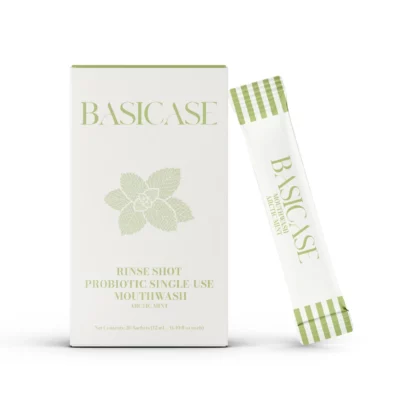
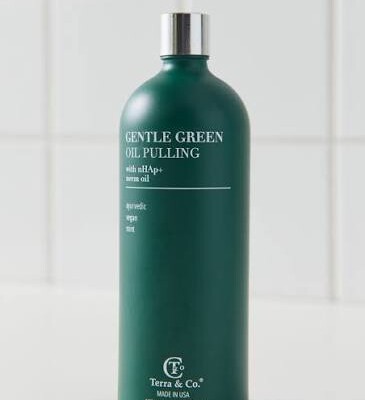
How to Make Oral Microbiome Health Part of Your Ritual
Mouth microbiome health is about more than mouthwash, but rather choosing products that support your mouth’s natural environment—and still give you that squeaky clean feeling.
According to Ma, the habits to boost your oral microbiome include:
- A consistent cleaning routine: Brush twice a day with fluoride toothpaste for about two minutes each time, and clean between the teeth daily with floss or a water flosser. Every mouth is different, so ask your dentist for product recommedations!
- Stop skipping the dentist: Attend regular dental examinations and receive professional cleanings once—or ideally, twice!—a year.
- Adjust dietary habits: Reduce frequent sugar exposure, especially sugary drinks and repeated snacking; rinsing with water afterward is an option. Avoid brushing immediately after acidic foods or drinks.
- Hydrate, hydrate, hydrate: Maintain a balanced diet and adequate hydration.
- Oral probiotics: Certain specific live microbial strains are being studied for oral health, especially products containing a ferment-derived ingredient.