
We may receive a portion of sales if you purchase a product through a link in this article.
January has a way of holding two truths at once. There’s the familiar pull toward a fresh start—the urge to reset, make plans, and imagine that this could be the year things finally click into place. And then there’s the quieter awareness that we’ve stood here before, watching well-intentioned resolutions slowly lose momentum as life fills back up.
If you’ve ever wondered how to achieve your goals in a way that actually lasts, the answer often isn’t more discipline or tighter systems. It’s clarity. When goals are rooted in a life you truly want to live, they stop feeling like pressure—and start feeling supportive.


How to Achieve Your Goals in 2026: My 6-Step Framework
So this year, instead of asking What should I work on? I’m starting with a more meaningful question: What kind of life am I designing? It’s a question I’ve returned to year after year through my vision board practice—a way to step off autopilot and reconnect with what truly matters. Ahead, I’m sharing a simple framework to help you set goals that align with your values, your future self, and the season you’re in—so your intentions don’t just look good on paper, but actually shape how you live.
That question—What kind of life am I designing?—has become the foundation of how I approach goal-setting. Before I think about habits or timelines, I pause to look at the bigger picture. When goals aren’t connected to a clear vision, they’re easy to abandon. When they are, they tend to stick.
Step 1: Start With Vision, Not Resolutions
Before setting any goals, I begin with vision. I ask myself how I want my days to feel, what I want more of, and what no longer fits. This step isn’t about adding more—it’s about getting honest. When I take time to envision the life I’m creating, my goals naturally fall into place, supporting the person I’m becoming rather than pulling me in every direction.
This is the starting point for anyone who wants their goals to last—not just for January, but for the year ahead.
A Simple Way to Clarify Your Vision
If you want support with this step, start here. I created a Future-Self Visualization Worksheet to pause, reflect, and reconnect with what you truly want. It’s a simple practice that helps bridge the gap between where you are now and where you’re headed.
Use it as a grounding moment before moving on, or anytime you feel yourself slipping back into autopilot.
Step 2: Make Your Vision Visible
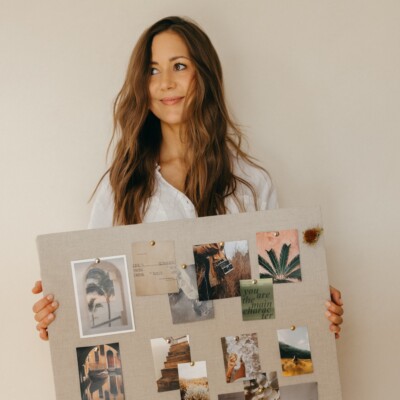
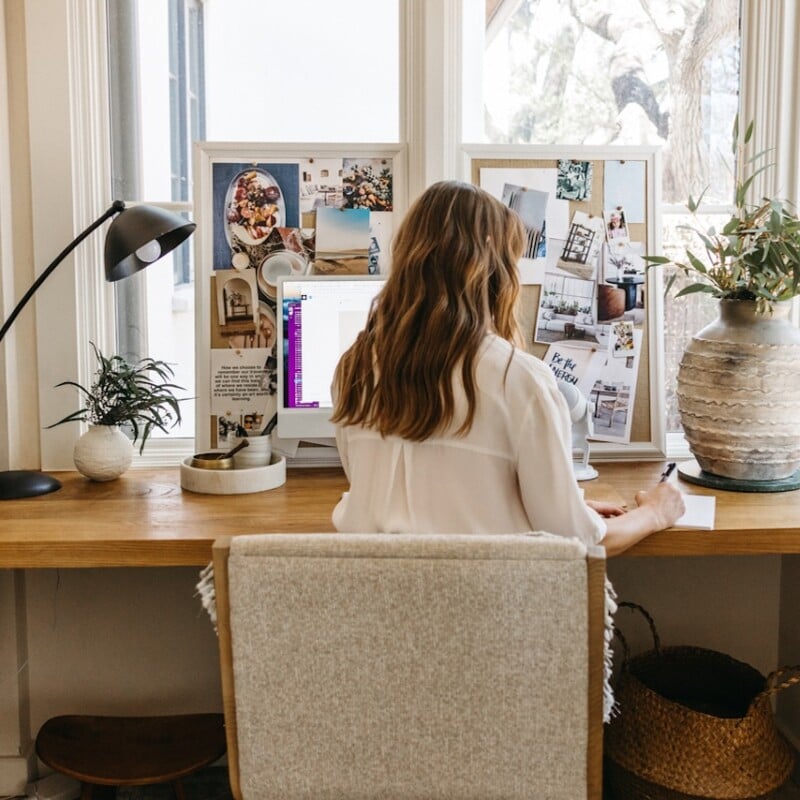
Once I have clarity around the life I’m designing, I bring that vision into the physical world. This is where vision boarding becomes such a powerful tool for me. Seeing your intentions—rather than just thinking about them—makes them feel tangible and worth protecting.
A vision board isn’t about predicting the future or creating a perfect aesthetic. It’s about anchoring yourself in what matters most. When I create one, I’m less focused on what I want to achieve and more attuned to how I want my life to feel. The images and words become quiet reminders I return to when decisions feel murky or momentum starts to fade.
For anyone looking for a more sustainable approach to goal-setting, this step matters more than it might seem. Goals are easier to follow through on when they’re connected to something you can see and feel every day.
Try this: Place your vision board somewhere you’ll see it often. Let it guide small, everyday choices—not just big ones.
A Tool I Use Every Year
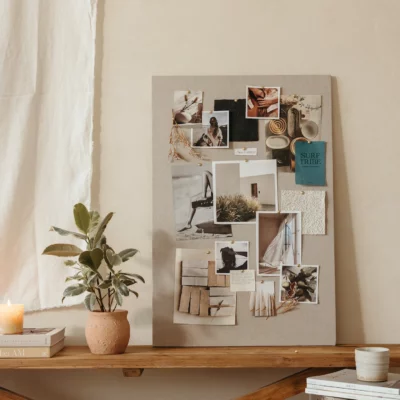
I created the Casa Zuma Vision Board Kit to support this exact step—a curated collection of tools designed to help you bring your vision to life in a way that feels both beautiful and actionable. It’s made for slow, intentional visioning, and for returning to throughout the year.
Casa Zuma
Step 3: Translate Vision Into Aligned Goals
Once my vision is clear—and visible—it becomes much easier to decide what deserves my energy. This is where goals come into focus, not as a long list of things I should do, but as natural extensions of the life I’m creating.
Instead of starting with everything I want to accomplish, I ask one simple question: What supports this vision—and what doesn’t? Goals that align tend to feel steady and motivating. The ones that don’t often feel heavy or forced, and that’s usually a sign they’re ready to be edited out.
Alignment is what creates momentum. And momentum is what carries goals forward long after the initial excitement of a new year fades.
Step 4: Focus on Fewer, Better Goals
One of the biggest reasons goals fall apart isn’t lack of motivation—it’s overload. When everything feels important, it’s nearly impossible to move anything forward. That’s why this step is about choosing less, on purpose.
After translating my vision into goals, I narrow the list again. I look for the few goals that will create the biggest ripple effect in my life right now—the ones that, if I stayed consistent with them, would naturally support everything else.
Focusing on fewer goals doesn’t mean giving up. It means honoring your capacity. This approach allows for more presence, energy, and follow-through—without the constant feeling of being behind.
Step 5: Build Rituals, Not Just Plans
Goals don’t live on paper—they live in the rhythms of your days. That’s why I focus less on perfect plans and more on small rituals that support them. Rituals are what make goals feel integrated into your life, rather than something you have to force yourself to remember.
For me, this looks like anchoring goals to moments that already exist: a morning routine, a weekly reset, or an end-of-day check-in. When a goal is tied to a ritual, it becomes part of how I live.
Try this: Choose one simple ritual to support each goal—something small enough to maintain, even on busy weeks.
Step 6: Revisit, Refine, and Recommit
Designing a life—and learning how to follow through on your goals—isn’t something you do once and get “right.” It’s an ongoing practice. Seasons change. Priorities shift. And the goals that made sense in January may need adjusting by spring.
That’s why I build in moments to revisit my vision throughout the year. I check in with what’s working, what feels heavy, and what might need to evolve. Sometimes that means refining a goal. Other times it means letting one go—without judgment.
Recommitting doesn’t require starting over. It simply asks you to return: to your vision, your values, and the life you’re designing. When you allow for that flexibility, goals become something you move with—not something you struggle against. And that’s where lasting change tends to happen.
The Takeaway
Achieving your goals isn’t about becoming more disciplined or doing more at once—it’s about designing your life with intention. When goals are rooted in a clear vision, supported by simple rituals, and revisited with care, they stop feeling like obligations and start feeling aligned. This year, instead of pushing yourself harder, try moving more deliberately. Return to what matters. Let your goals grow out of the life you want to live, and trust that clarity will carry you forward.
**
If you’re craving more support as you design your year, I’m hosting both virtual and in-person vision board workshops as part of my Dream Life series. These guided sessions are an opportunity to slow down, reconnect with what you truly want, and translate vision into aligned action—whether you’re joining from home or gathering with us in Austin.
Register for the virtual workshop:
Register for the in-person workshop:
This post was last updated on January 9, 2026, to include new insights.