

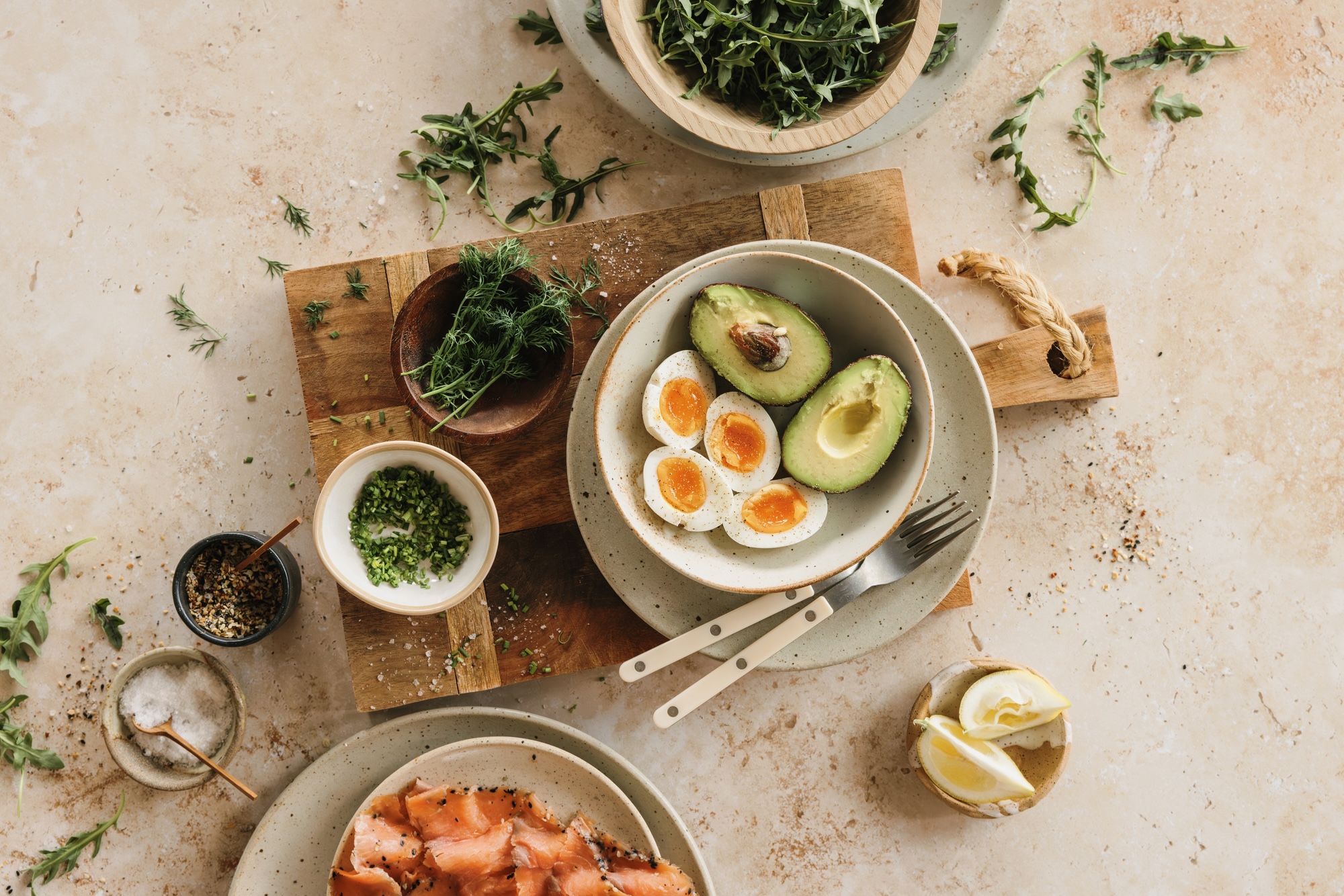
Photography by Suruchi Avasthi & Michelle Nash
What you eat can determine whether you feel clear and focused—or foggy and reaching for another cup of coffee an hour later. Beyond hunger, food plays a powerful role in how steady and grounded you feel throughout the day.
In my own kitchen, I’ve learned that supporting mental clarity isn’t about tracking or perfection. It’s about building meals with a few key ingredients that consistently help me feel energized, centered, and well.
As our Wellness Editor and Nutrition Consultant, Edie Horstman, often reminds us, it starts with balance: “A brain-supportive plate includes a steady carb source for glucose—the brain’s preferred fuel—adequate protein for neurotransmitter production, and healthy fats to support brain structure and satiety. Instead of hyper-focusing on macros, I encourage people to ask: Will this meal help me feel focused and emotionally steady an hour from now?”
That question alone has reshaped how I cook.
Healthy Fats: The Foundation
If you want more energy and fewer mid-afternoon crashes, start here.
Healthy fats support brain structure and help keep you satisfied—which, practically speaking, means better focus and less grazing an hour later. Instead of thinking about them in macro terms, think about them as the element that makes a meal feel complete.
In everyday cooking, that might look like:
- Extra-virgin olive oil whisked into a vinaigrette or drizzled over roasted vegetables
- Walnuts scattered over salads or yogurt
- Chia or ground flax stirred into oats or smoothies
- Full-fat yogurt or cottage cheese at breakfast to add staying power
When healthy fats are present, meals tend to carry you further, and your mind feels the difference.

Strawberry Probiotic Smoothie
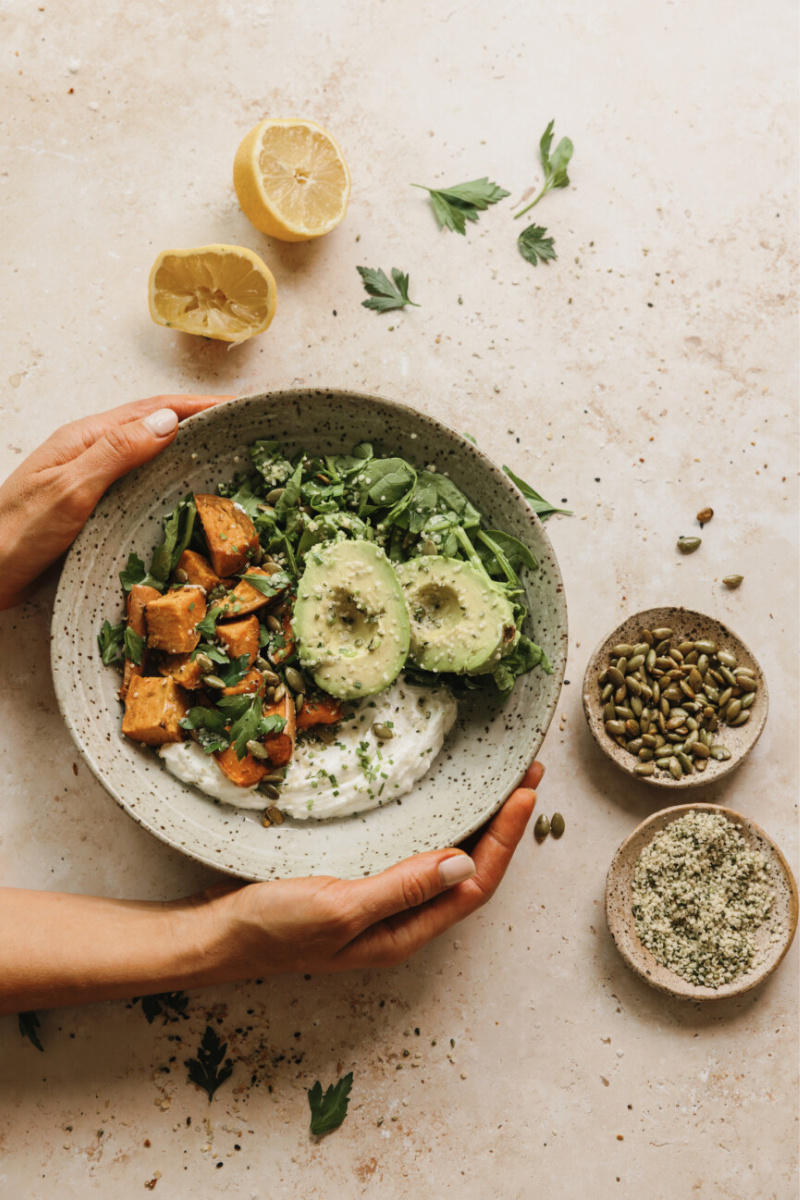
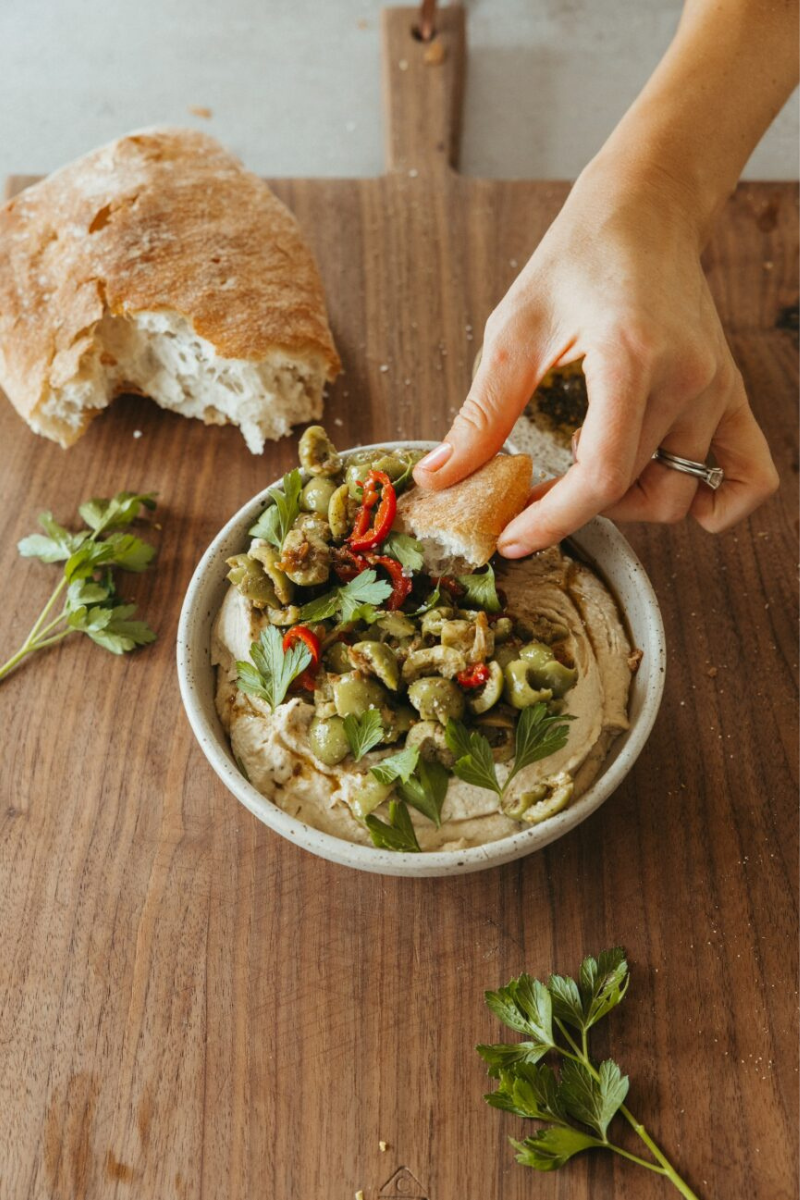
Spicy Marinated Olives and Hummus
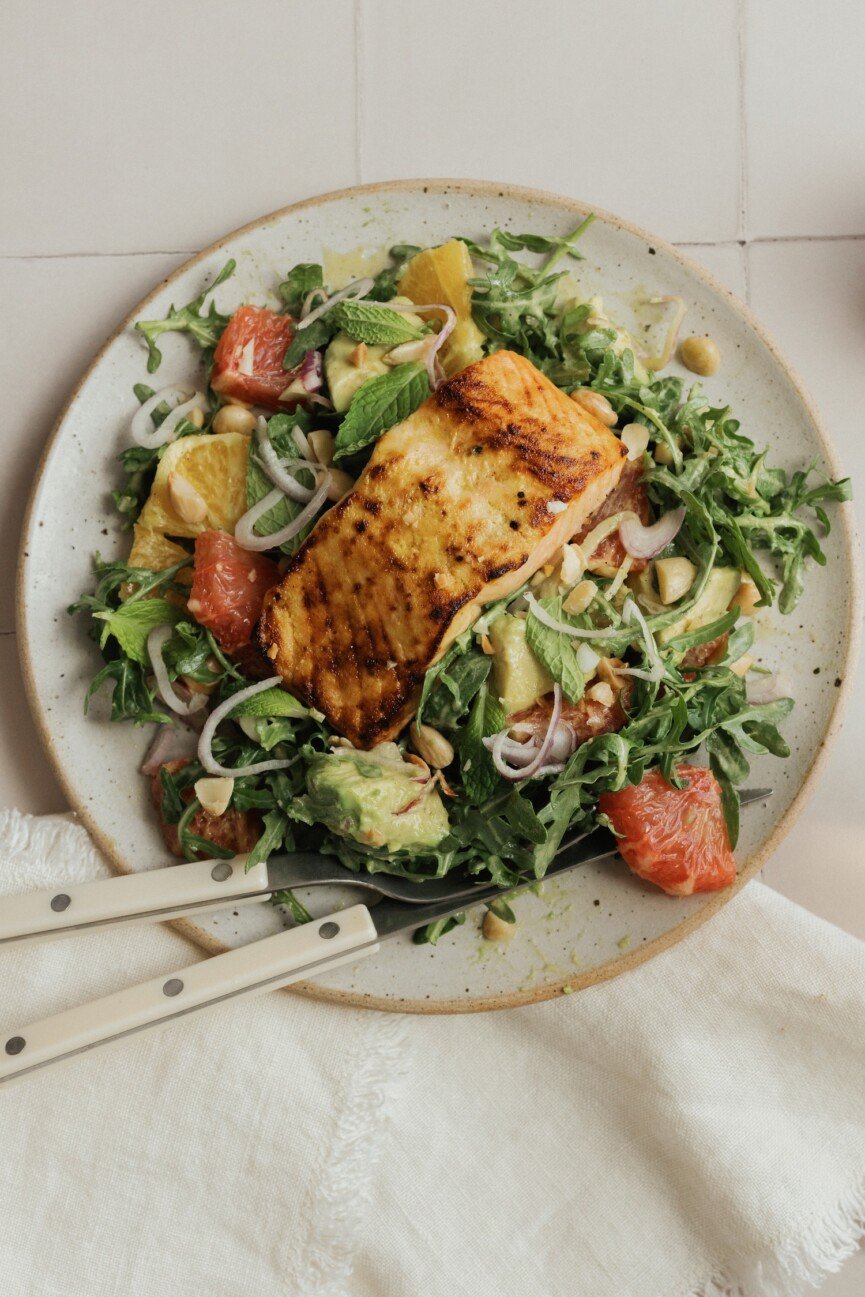
Salmon Salad with Citrus & Avocado Salad
Omega-3–Rich Foods
Omega-3s are one type of fat, especially associated with cognitive support and long-term brain health. But you don’t need to treat them like a supplement—just a regular guest at the table.
Fatty fish like salmon, sardines, and mackerel are some of the most concentrated sources. A simple tray of roasted salmon. Smoked salmon folded into eggs. Sardines layered on toast with herbs and lemon. When fish isn’t on the menu, flax, chia, and hemp seeds are easy additions that disappear into meals without changing the flavor.
When omega-3–rich foods show up regularly, many people notice steadier energy and less fogginess in the day.
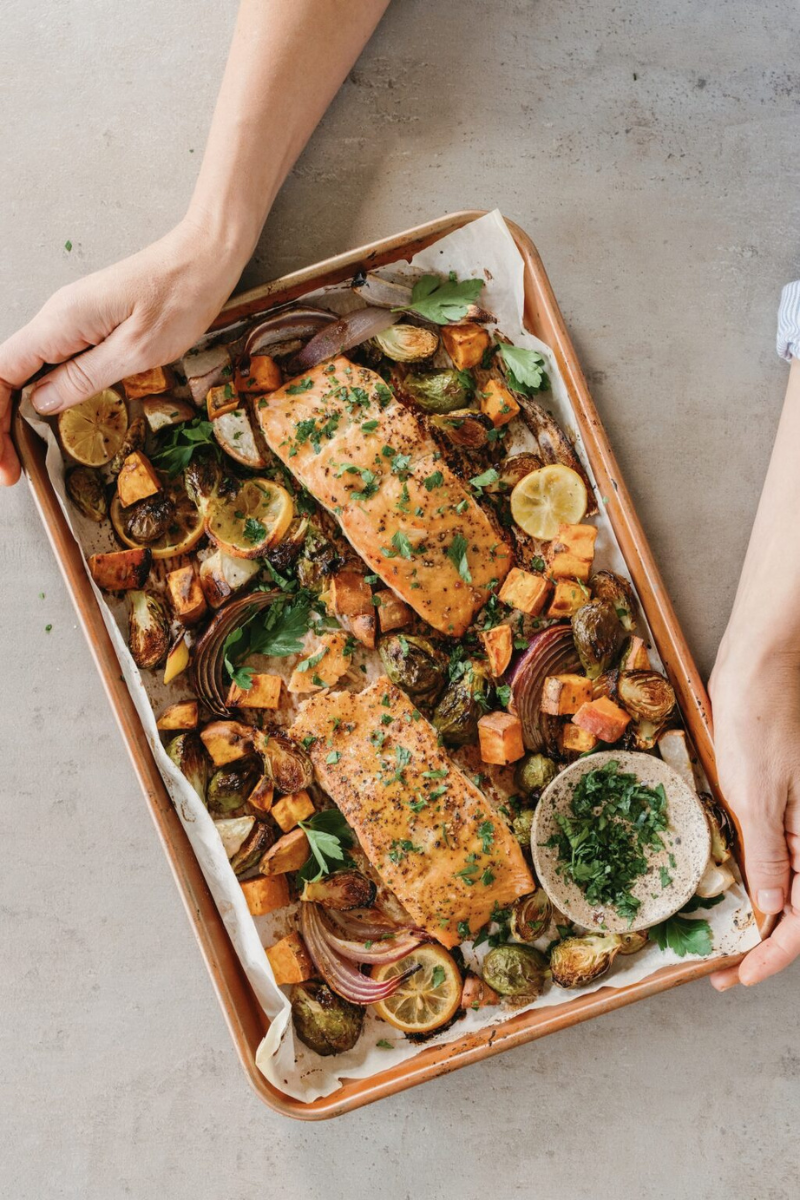
Mustard-Roasted Salmon and Veggies
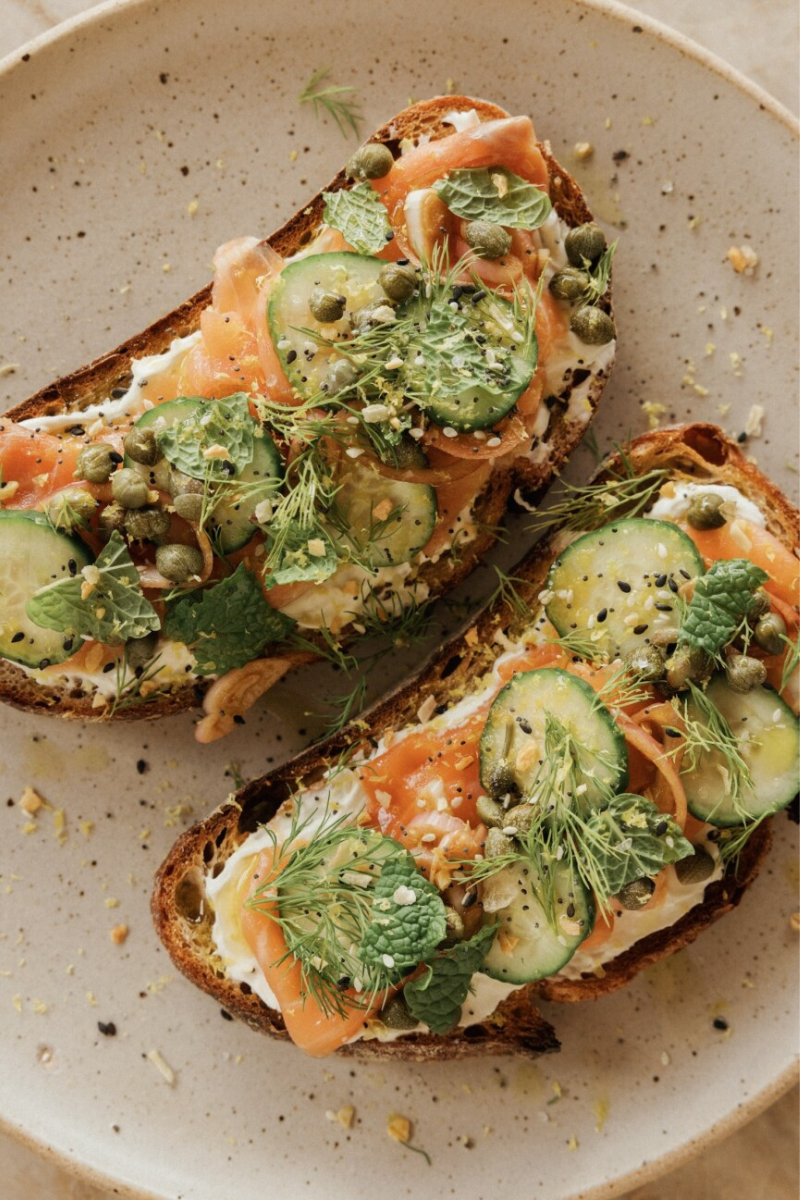
Smoked Salmon Toast
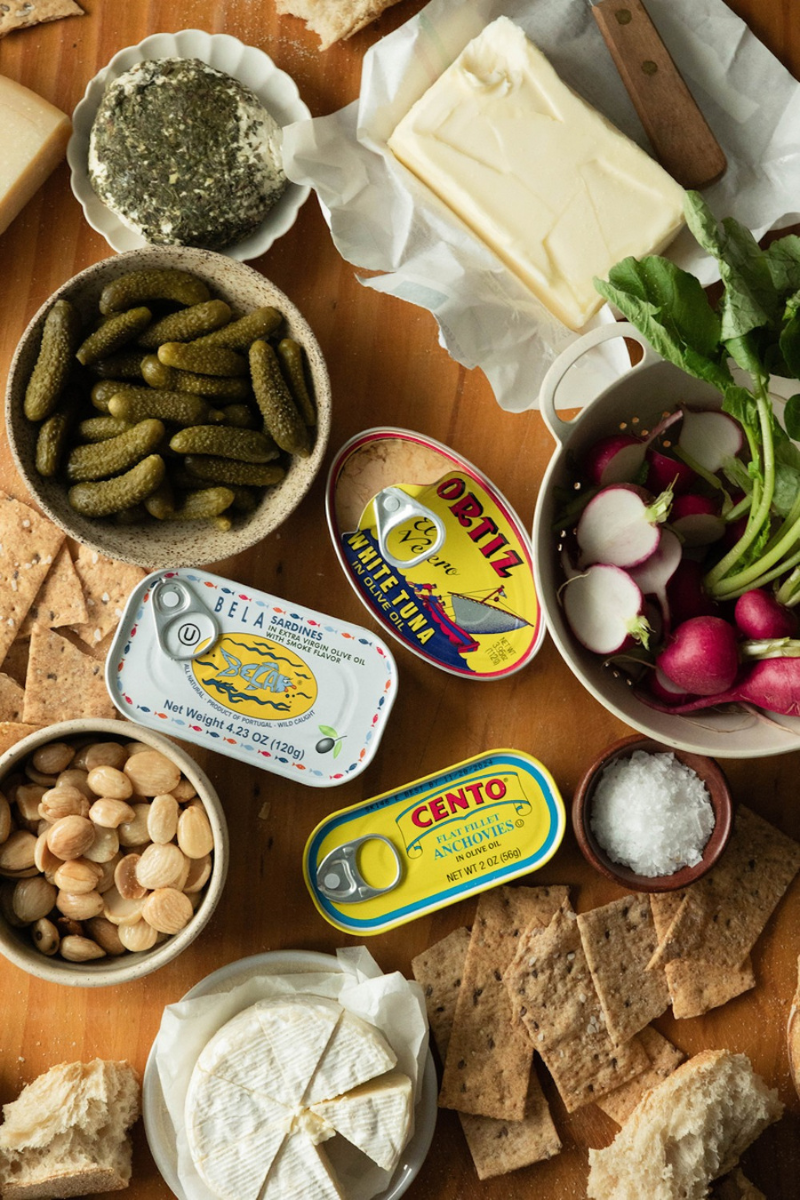
Tinned Fish Grazing Board
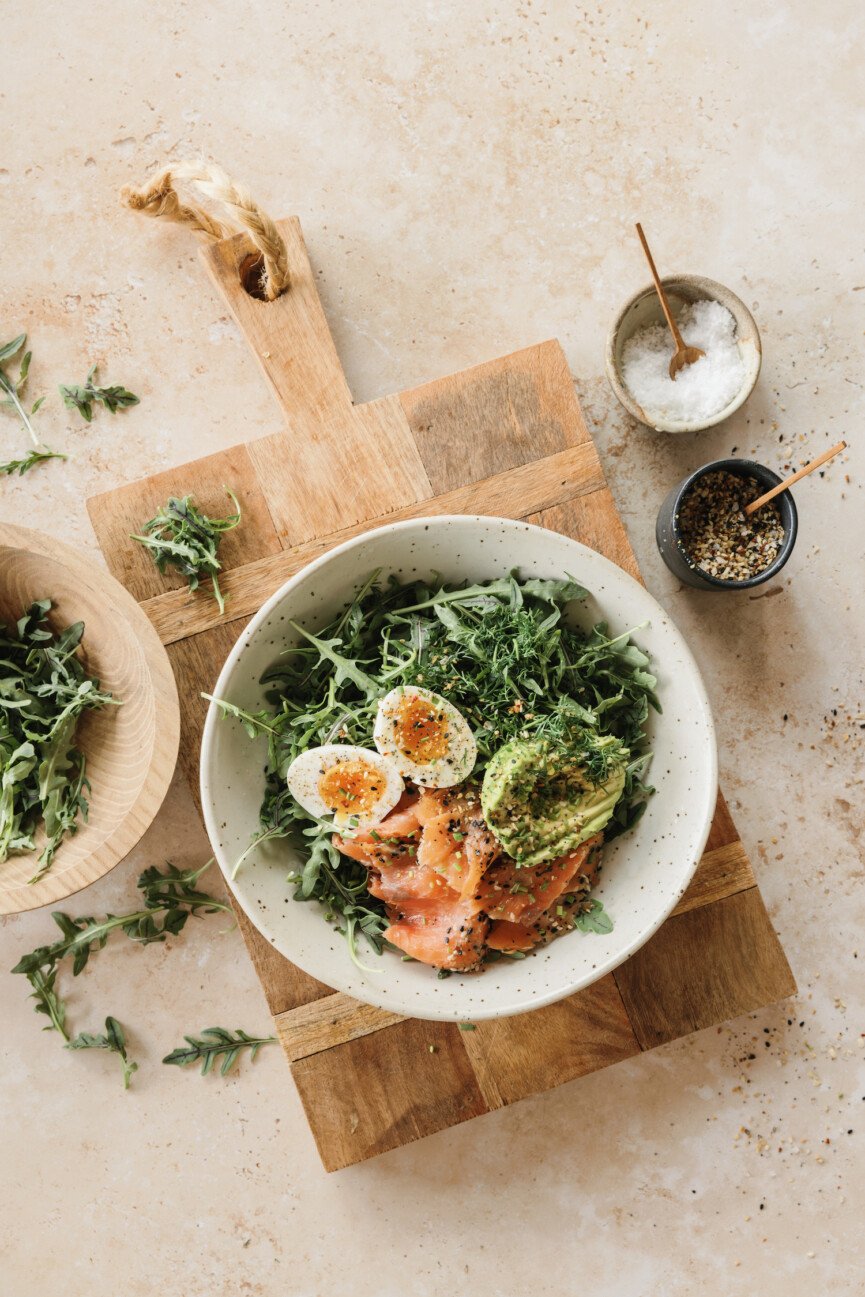
Smoked Salmon Breakfast Bowl
Antioxidant-Rich Produce
Color is often a clue. Deep greens. Inky blues. Bright herbs scattered at the end.
Berries, leafy greens, and fresh herbs are rich in antioxidants and anti-inflammatory compounds that support long-term brain health. But on a day-to-day level, they also make meals feel vibrant, and when a meal feels vibrant, you’re more likely to slow down and feel satisfied.
Simple ways to build them in:
- Frozen wild blueberries warmed and spooned over yogurt
- Kale or spinach sautéed with garlic and folded into eggs or grains
- Fresh herbs torn generously and scattered over whatever you’re already cooking
These aren’t dramatic additions. They’re small upgrades that shift how you feel after you eat.

Springy Super Greens Frittata
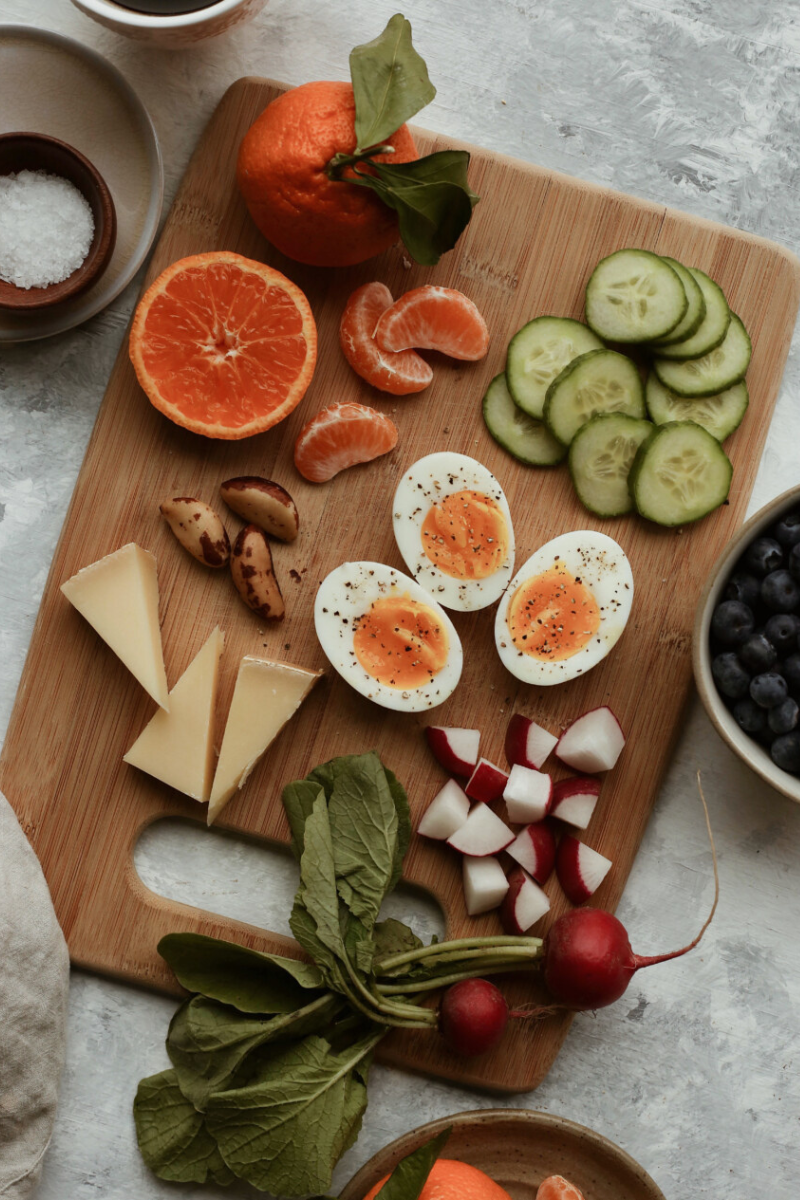
Simple Aesthetic Breakfast Plate
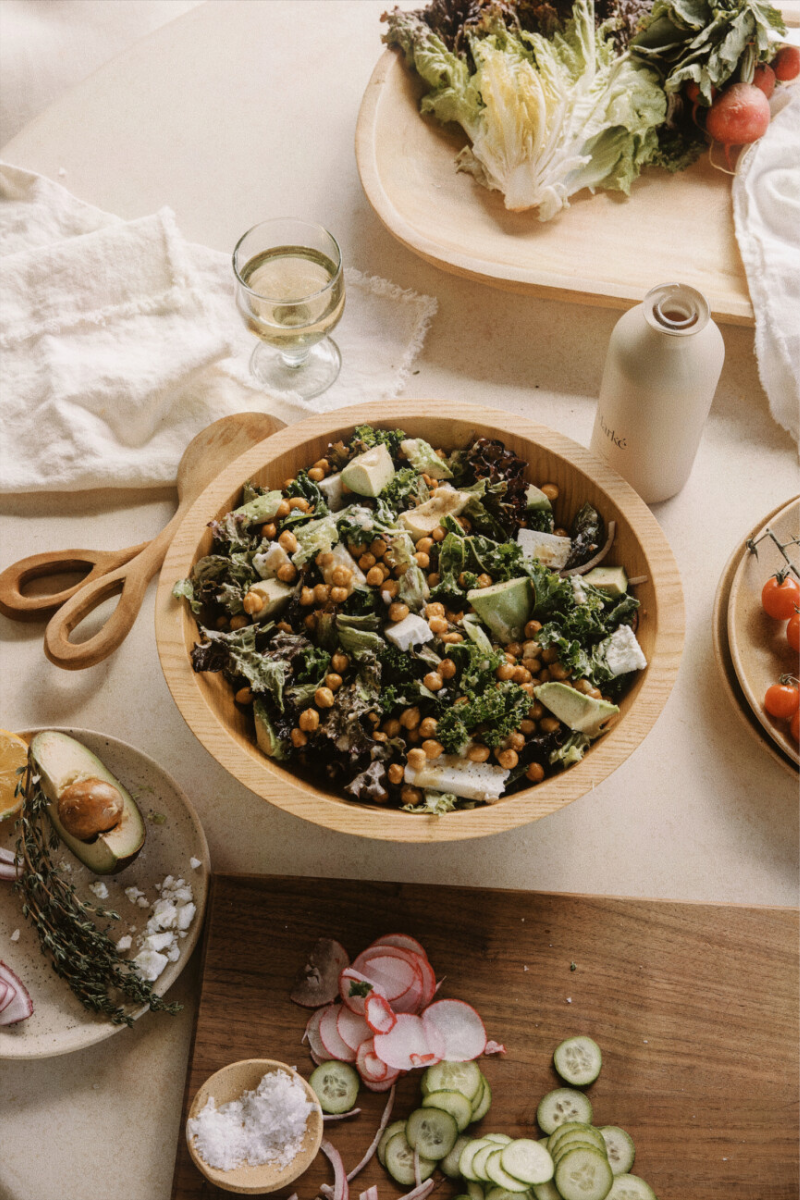
Mediterranean Kale and Chickpea Salad
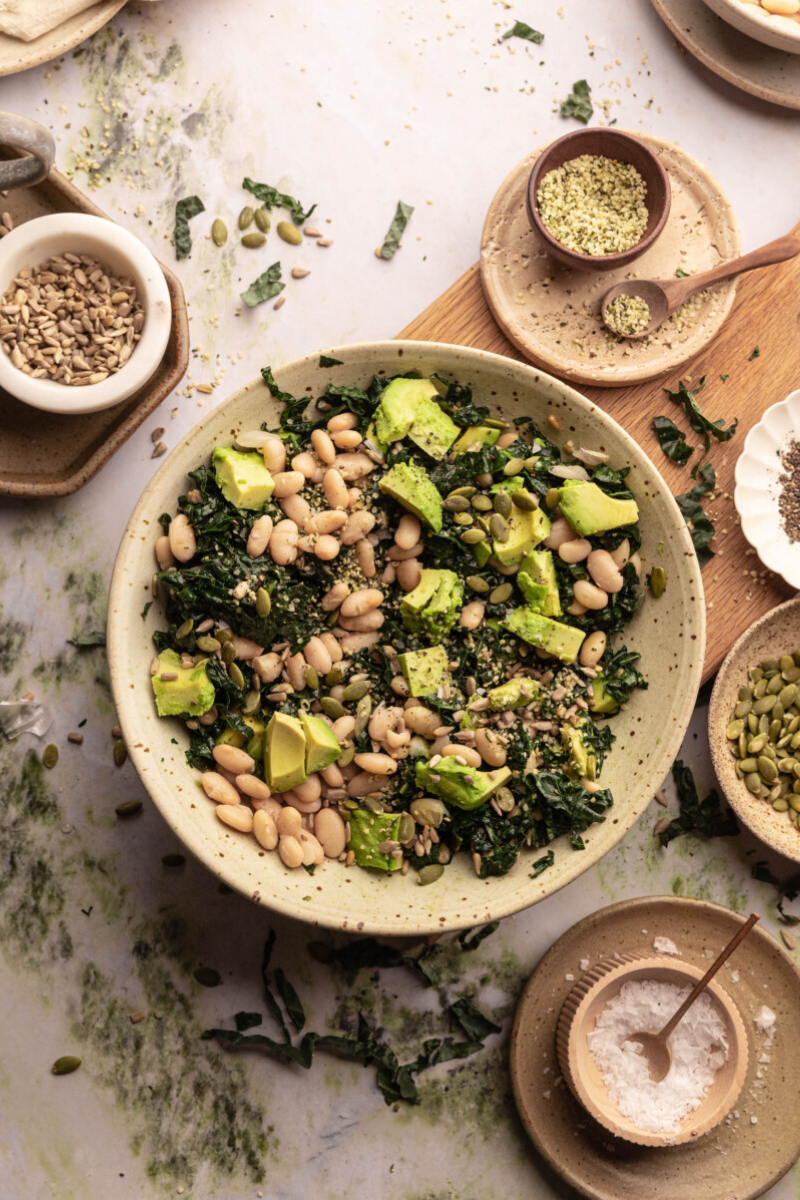
Erewhon-Inspired Kale White Bean Salad
Slow Carbohydrates
Carbohydrates are your brain’s preferred fuel. The difference is choosing options that release energy steadily instead of spiking and crashing.
Slow, fiber-rich carbohydrates—like oats, lentils, quinoa, rice, and sweet potatoes—anchor a meal. They help you feel grounded and sustained, rather than chasing a snack an hour later.
In practical terms, that might look like:
- Oats in the morning, topped with nuts and fruit
- Lentils folded into a salad or simmered with spices
- Rice or quinoa paired with vegetables and protein
- Roasted sweet potatoes added to bowls or enjoyed on their own
When your meals are anchored by steady carbohydrates, clarity tends to follow.

Spring Frittata
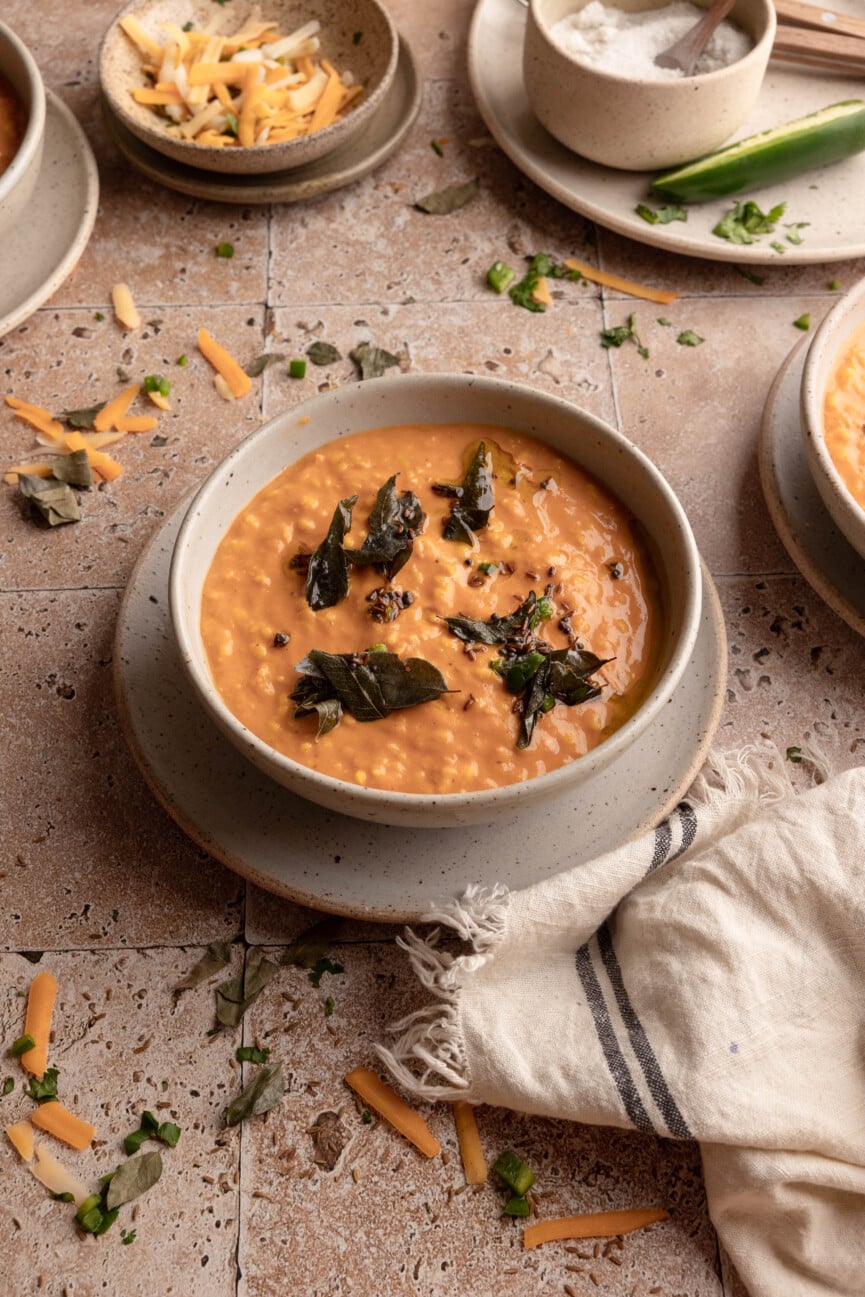
Tomato Soup Daal
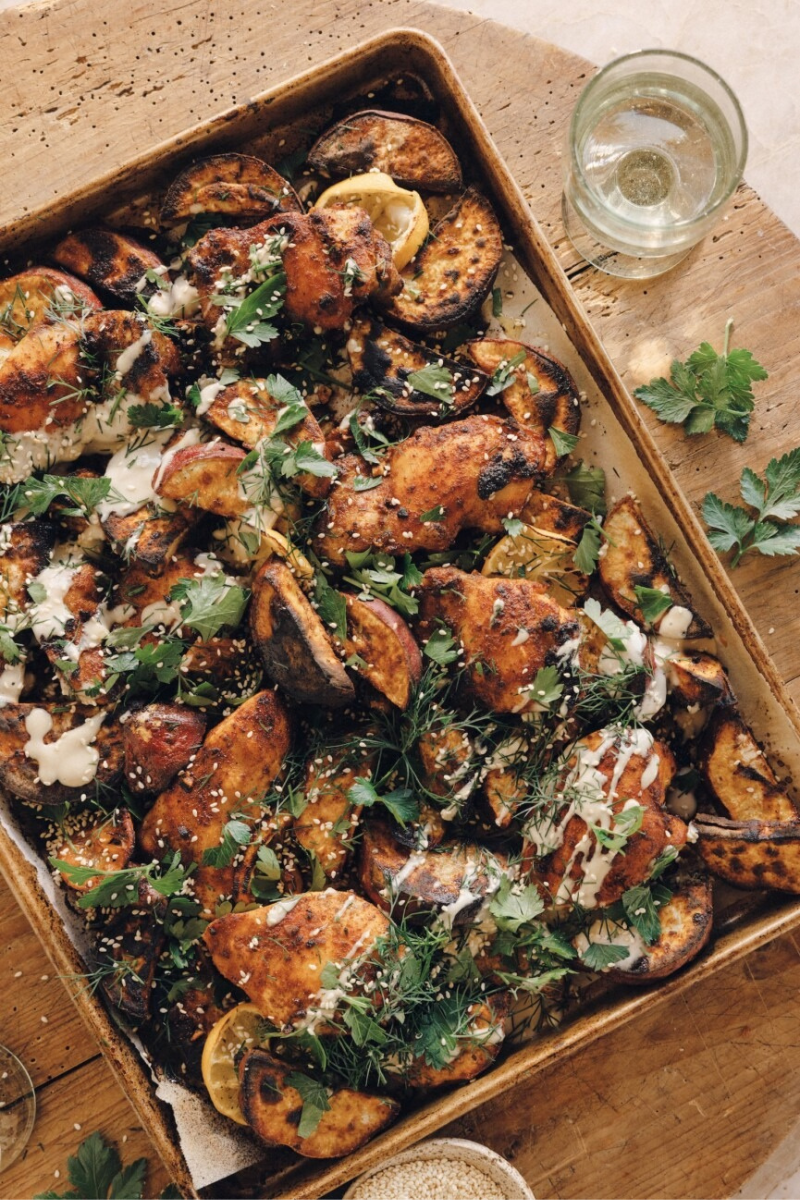
Sheet Pan Chicken with Sweet Potatoes
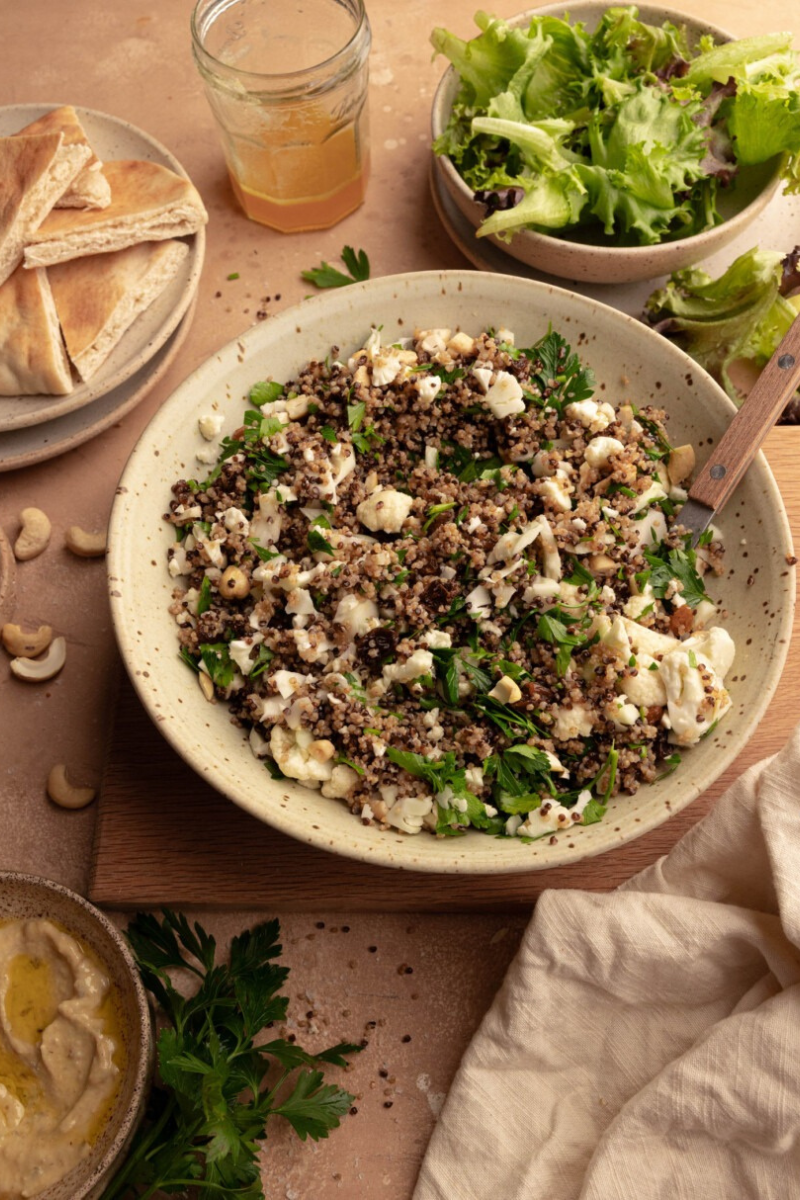
Quinoa & Cauliflower Salad
Flavor-Building Basics
Clarity doesn’t come from nutrients alone—it also comes from satisfaction. Garlic hitting warm oil. Onions softening until sweet. Cumin blooming in a pan. A squeeze of lemon over something rich. These small details are what make a meal feel complete.
When food tastes good, you slow down. You eat enough and feel finished, rather than still searching for something sweet or crunchy later. And when cooking feels satisfying, it becomes repeatable. And repeatable meals are what actually support you over time.
Keep these flavor-builders within reach:
- Garlic and onions
- Whole spices to toast and grind
- Turmeric and cumin
- Fresh herbs
- Good flaky salt
Cooking for Clarity
If you’ve been feeling foggy or scattered lately, you don’t need a complete overhaul. You might just need to look at what’s on your plate. Supporting mental clarity is about building meals with slow carbohydrates, healthy fats, colorful produce, and enough flavor that you actually want to cook again tomorrow.
Ask yourself the same question Edie suggests: Will this meal help me feel focused and emotionally steady an hour from now?
Often, the answer isn’t complicated. It’s already in your kitchen.

More from this issue

How to Do the Ultimate Spring Pantry Reset
What to clear out, what to restock, and what you truly don’t need.

The Power of One: Decorating With Intention
The “less but bigger” decorating rule designers swear by.

A Case for Sage: The Calming Color We’re Bringing Into Spring
The season’s most soothing hue.