

We may receive a portion of sales if you purchase a product through a link in this article.
For the past few years, the skin barrier has been one of beauty’s biggest buzzwords. As someone who was prone to over-exfoliation, focusing on barrier health ushered me into a more nourishing approach to skincare. Now, I’m all in on skincare rituals that support my overall health—and vice versa, daily rituals that support my skin. Your skin is your biggest organ, after all, and taking care of it goes deeper than the surface. No wonder more people are focusing on protecting their skin microbiome for a more holistic approach to health.
The skin microbiome is the ecosystem that protects us from potential stressors. It doesn’t just affect how you look — it actually communicates with your immune system to fight inflammation, protect against infection, and maintain your skin’s overall health. If that doesn’t warrant becoming a buzzword, what could?
Featured image from our Wake Up Call with Inge Theron

Your Guide to a Flourishing Skin Microbiome
To put it plainly, the skin microbiome is a hero—but it needs our support to do its job. There are several topical and ingestible ways to support it, so we tapped two experts to guide us: Dr. Dendy Engelman, a board-certified cosmetic dermatologist, and Edie Horstman, a certified integrative nutrition health coach and founder of Wellness With Edie.
So, what exactly is the skin microbiome?
You’ve heard of a gut microbiome, but what does that mean for skin? Basically, it means supporting the skin’s natural processes.
“The skin microbiome—known informally as the ‘flora’—is comprised of microorganisms (bacteria, fungi, mites) on the skin’s surface,” Dr. Engelman says. “These microorganisms help maintain the health of your skin barrier and body by preventing unwanted organisms from flourishing, which could lead to conditions like yeast or fungal infections, psoriasis, eczema, dandruff, and more.”
The skin microbiome thrives in a fairly acidic environment (an ideal pH balance is around 5.0). This allows skin to keep disease-causing pathogens at bay, the same way healthy gut bacteria protect us.
“If you feel like your skin is getting irritated or could use a refresh, swap out your usual products for formulas designed to balance pH, or formulated with skin-friendly probiotics,” Dr. Engelman says.
Signs of an unbalanced skin microbiome, also known as dysbiosis, might include:
- Sensitivity or irritation
- Dryness and flaking
- Redness or rosacea
- Breakouts and inflammation
What ingredients protect the skin’s microbiome?
Like with skin barrier health, protecting your microbiome comes down to balance. Ingredients that are too harsh can strip skin of the good, natural oils that keep things balanced—and Dr. Engelman often sees patients going overboard. Doing more might actually throw off your microbiome, causing even bigger issues.
“I see many patients who think that the more products they use, and the more aggressive they are with their skin, the better and faster their results will be. This isn’t the case,” Dr. Engelman says. “When we’re too rough with our skin, we can throw off the balance of our microbiome and compromise the skin barrier, leading to irritated skin, breakouts, and even infection.”
Look for ingredients like:
- Niacinamide
- Squalane
- Ceramides
- Lactic acid
- Prebiotics
- Postbiotics
What skin-care mistakes throw the skin microbiome off balance?
One of the easiest mistakes to make is over-exfoliating. A healthy sloughing session is important—two to three times a week seems to be the magic number for most derms—but overdoing it can lead to serious irritation.
According to Dr. Engelman, though, it’s not just about how much you exfoliate—it’s about the product itself. “Physical scrubs—with beads, pieces of shell, or other hard fragments—are often too abrasive for skin and can cause micro-injuries,” she says. “I recommend using chemical exfoliants instead. However, be careful if you’re not used to those treatments or have sensitive skin. Start small, and let your skin adjust.”
How can you build an effective skin-care routine for your microbiome?
DDr. Engelman believes a routine should be simple and focused on nourishing the skin.
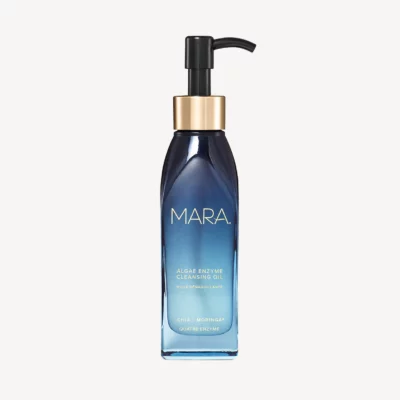
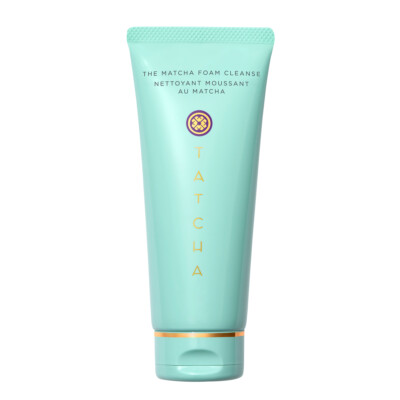
- Double cleanse: First remove makeup, pollutants, and debris with an oil cleanser, then deep-clean with a face wash. This ensures a thorough clean without stripping skin of its natural oils.
- Probiotic/vitamin serum: “Look for products with vitamin C, vitamin E, along with ‘postbiotic’ lactobacillus. This helps the skin restore its natural barrier,” Horstman says. “Carrier oils, like rosehip, can also help your skin’s microbiome due to their antioxidant effects and healthy fatty acids.”
- Moisturizer: Choose one that provides powerful hydration without weighing skin down, and that’s free of irritating ingredients like parabens, fragrances, and dyes.
- Sunscreen: Check out our complete guide to sunscreen.
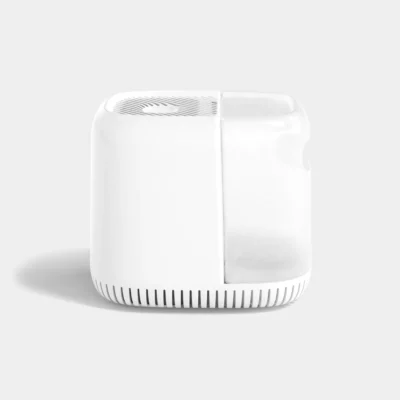
- Bonus—try a humidifier: “Staying hydrated is an important part of a healthy skin barrier, but this can be especially tricky to maintain during cold winter months or when spending time indoors in air conditioning,” says Dr. Engelman. “We also lose a lot of moisture from our skin at night while we sleep, due to transdermal water loss. That’s why I recommend a humidifier. Canopy is my favorite—it’s mist-free, uses smart technology to maintain an optimal humidity level without growing mold, and it’s dishwasher-safe, which makes it genuinely hassle-free.”
Microbiome Skin-Care Routine
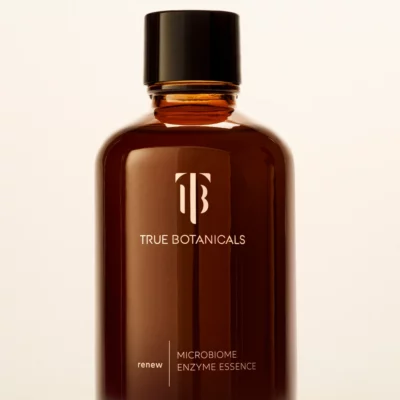
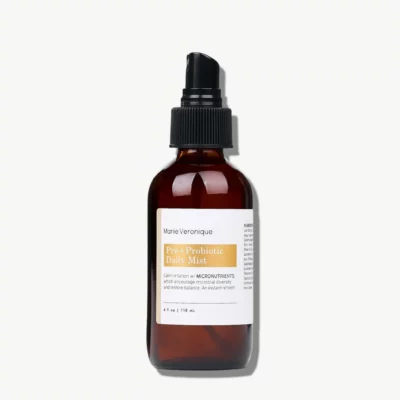
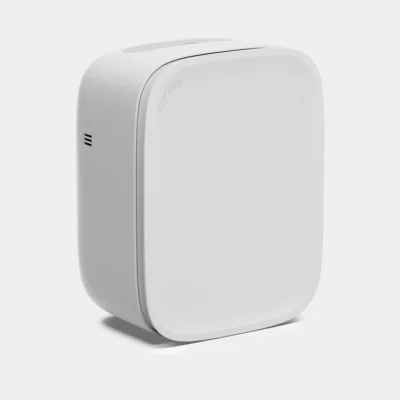
What foods benefit the skin microbiome?
To understand how nutrition affects our skin microbiome, we tapped Edie to learn about the foods and supplements that support it best. Everything we put into our bodies may eventually be reflected on our faces.
“Overly processed and sugary foods can elicit an inflammatory response, which can show up as acne on your skin,” Horstman notes. She recommends kefir (a probiotic milk drink) and sauerkraut for their wealth of natural probiotics.
Ingredients to support your skin microbiome include:
- Probiotic foods: Sauerkraut, yogurt, kefir, kimchi, or anything fermented.
- Prebiotic foods: Garlic, onions, asparagus, bananas, oats, avocado, seaweed, and more.
- Antioxidant foods: Greens like kale, spinach, and broccoli; fruit like blueberries, blackberries, raspberries, and strawberries; starches like sweet potato.
- Omega-3 fatty acids and healthy fats: Flaxseeds, chia seeds, salmon, mackerel, sardines, and anchovies.
What supplements promote a healthy microbiome?
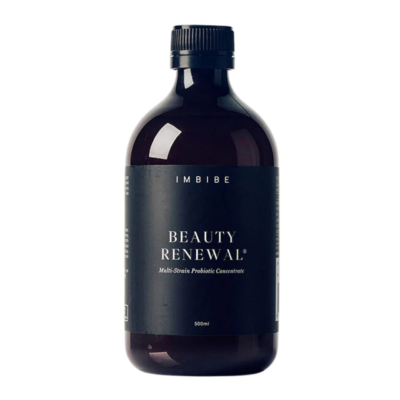
To support your microbiome, consider introducing probiotics and postbiotics into your routine. Dr. Engelman breaks it down simply: “Introducing probiotics into the skin’s ecosystem helps improve its health and function.”
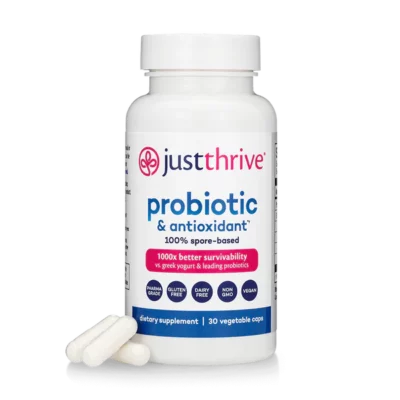
Horstman recommends Just Thrive Probiotics: “This probiotic uses a spore-based formula, which makes it unique and very effective. Best of all, their strains are super resilient — you can open a cap and blend the contents into a smoothie, or bake them into your favorite dish without losing potency. They’re kid-friendly, too.”
Other supplements worth considering:
- Colostrum: Colostrum supports your gut lining, which—thanks to the gut-skin connection—makes it a building block for your skin microbiome too, along with your natural linings, immunity, and overall resilience.
- Glutathione: The holy-grail antioxidant, it helps prevent damage from stressors, keeping healthy bacteria alive and thriving.
- Vitamins: Research shows vitamin A, C, D, and E all help protect the microbiome by supporting helpful microbes and nourishing gut flora.
- Omega-3s: Support the skin microbiome by strengthening the lipid barrier and reducing inflammatory responses that can otherwise harm healthy bacteria.