

Summer is synonymous with glowy, gorgeous skin. Images of freckle-flecked faces, barely-there makeup, and a natural sun-kissed look make summer skin look effortless. But for all the season’s vitamin D goodness, summer skincare can feel like a chore. Like a child wriggling out of your hands as you try to slather them with just one more layer of sunscreen, worrying about skin protection can take the fun out of summer.
That’s why we think summer skincare should feel like a ritual, not a punishment — no matter your age or skin concerns. Experts agree, saying you don’t have to do too much in the summer as long as you’re intentional about what you do keep in your summer skincare routine.
So get your clean SPF ready, stock your fridge with some emergency aloe vera, and read on for your best summer skincare routine yet.
Editor’s Note: While we’ve listed all of the products our experts recommend for a summer skincare routine, you certainly don’t need to buy all of them. Everyone’s skin is unique, and our journey to healthy skin is different, too, so experiment with various products or beauty tools to figure out what works best for you and, more importantly, within your budget. But above all, have fun doing it!


How to Curate an Intentional Summer Skincare Routine
Summer brings a whole slew of unique skincare challenges and questions. And too often, post-summer skincare feels like a correction for the mistakes of the season-past. But prevention is always better than repair, especially when it comes to summer concerns like sun damage and dehydration.
“The concerns I hear most often from clients are, My skin looks dull and ruddy, or, My melasma is starting to show again,” says Malika Sloan, Medical Aesthetician and Founder of Sloan Studio in NYC.

But what causes summer skin damage? According to Sloan, the cumulative effect of all the best things of the season — the sun, the heat, water from the pool and ocean — can wreak havoc on your skin.
“Heat, increased oil and sweat, dehydration, and cumulative sun exposure can all contribute to changes in the skin’s tone and clarity. Melasma, in particular, can be aggravated by UV exposure, visible light, and heat.”
That’s why she recommends your skincare routine should be holistic, too. Your skin is a reflection of your life, so balance, as in everything, goes a long way.
“Keep the routine simple,” says Sloan. By making the basics part of your morning routine, nourishing your skin at night, and adopting protective habits, you’ll find taking care of your skin feels natural rather than forced.
The basics, according to Sloan, include:
- Vitamin C
- Antioxidants
- Lightweight hydration
- Exfoliation
- Broad-spectrum SPF
Read on to discover how to incorporate them into your summer skincare routine — and some expert-approved product picks.


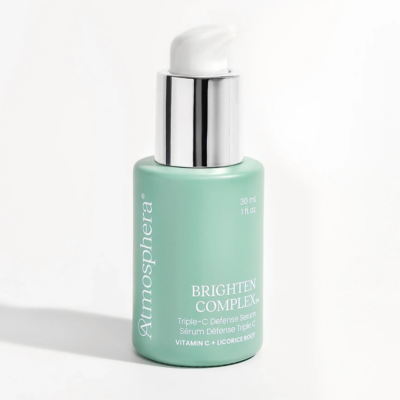
Vitamin C is your SPF’s best friend
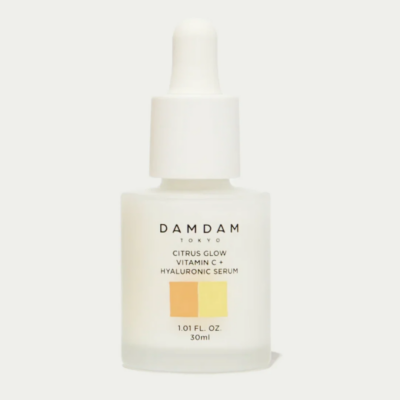
“Protection is the most important part of maintaining healthy skin during the summer,” says Sloan. And while we may think of SPF as our first defense against the sun, Vitamin C actually boosts your sunscreen’s performance by helping to protect against UV damage and speed up your skin’s healing process. Not to mention it gives your skin a natural glow.
While Vitamin C should be used year-round, the powerful antioxidant may be particularly helpful in the summer months. “Vitamin C provides antioxidant protection against environmental stressors while helping to brighten the skin and improve the appearance of uneven tone.”
Add more antioxidants
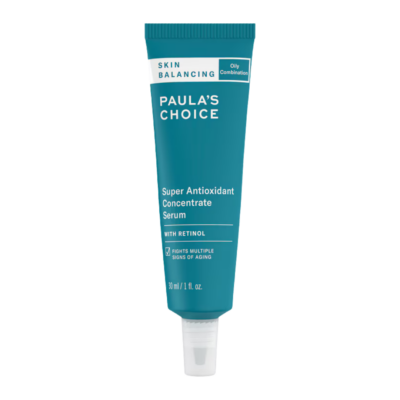
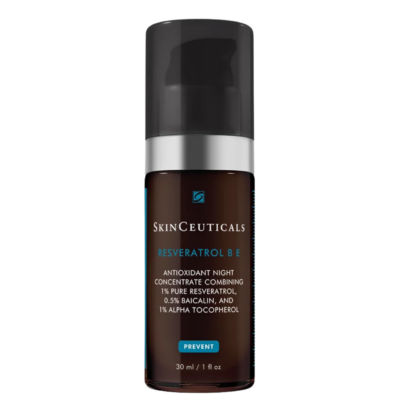
Vitamin C is not the only antioxidant for skin you should apply in the summer, according to Sloan.
“Increased UV exposure can contribute to cellular damage, premature fine lines, uneven texture, enlarged-looking pores, and hyperpigmentation, so this is the season to prioritize antioxidants and consistent sun protection.”
Tis the season for antioxidant-maxxing. Sloan makes it simple: “Antioxidants plus SPF are your skin’s best defense during the summer months.”
Antioxidant skincare ingredients to look for in the summer include:
- Vitamin E
- Vitamin A (Retinol)
- Niacinamide (Vitamin B3)
- Coenzyme Q10
- Ferulic Acid
- Polyphenols
- Resveratrol
Hydrate without the heaviness
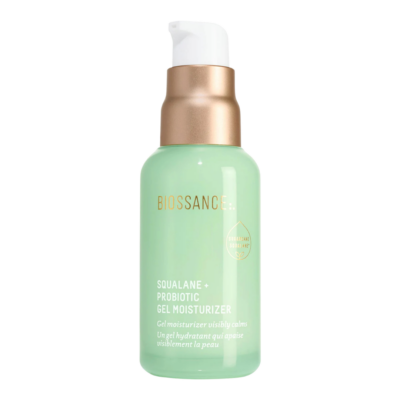
Just as we rely on heavier creams to keep skin hydrated in the winter, consider swapping out your moisturizer for a lighter formula when the temperatures heat up, especially if you begin noticing breakouts or imbalances.
Get intense hydration without the heavy formulas by leaning on lightweight ingredients like hyaluronic acid, glycerin, and restorative ingredients like peptides and lightweight oils.
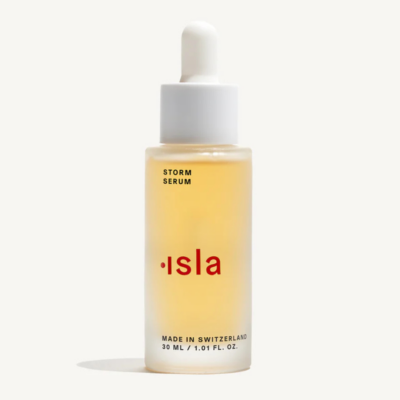
Cool off with a cooling mist
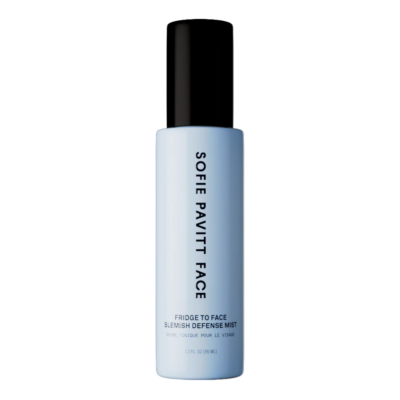
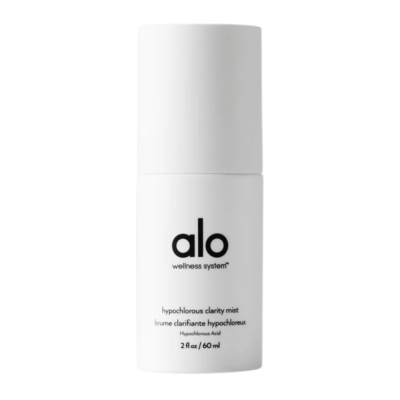
A facial mist isn’t just a refreshing treat for overheated skin — although a cooling spritz does feel good on a hot day. “A light hydrating mist refreshes the skin and adds a soothing layer of hydration before applying treatment products,” says Sloan.
A good facial mist should be filled with nourishing ingredients that hydrate your skin and also clarify your skin to prevent irritation and breakouts during the day (think: niacinamide or hypochlorous acid).
Exfoliate. Rinse. Repeat.
Though we’re cognizant of the dangers of over-exfoliating, our skin’s oiliest months seem like they might call for a bit more sloughing.
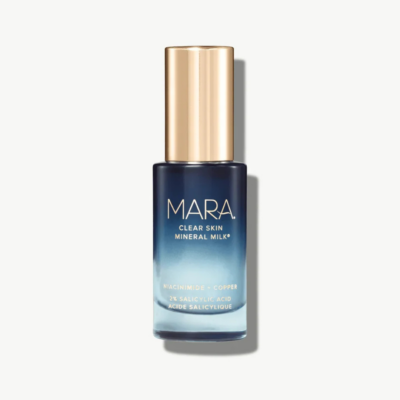
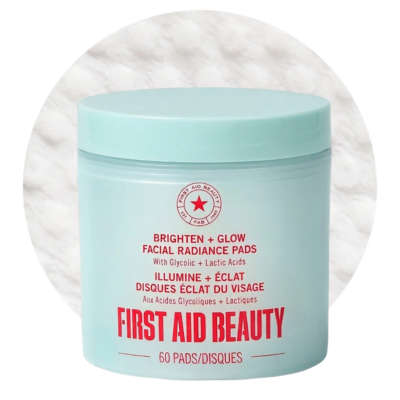
Add an exfoliating serum to your nighttime routine a few nights a week when your skin feels like it’s detoxing. Remember: AHAs like glycolic and lactic acid clear top-level texture while BHAs like salicylic acid target breakouts under the skin.
Your Summer Skincare Routine Needs an SPF BFF
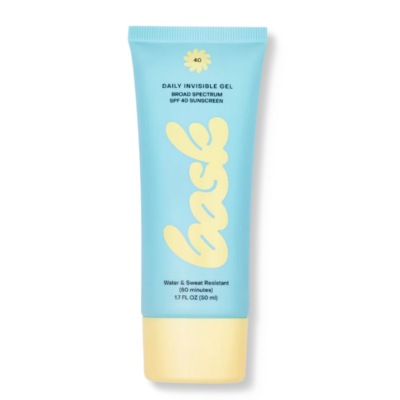
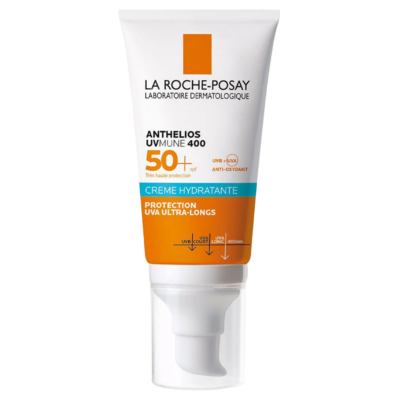
The importance of SPF can never be stressed enough, no matter what season you’re in. That being said, the SPF market seems to become more saturated every year, so if you need help choosing the best one for you, check out our guide to dermatologist-approved clean sunscreens.
And don’t forget to reapply!
“As a general rule, sunscreen should be reapplied at least every two hours when you’re outdoors—and sooner after swimming, sweating, or toweling off,” says Sloan. “If you’re spending prolonged time in direct summer sun, I personally prefer reapplying every 60 to 90 minutes.”
But the best sunscreen is the one you’ll use. “Consistency matters far more than having a complicated routine.”