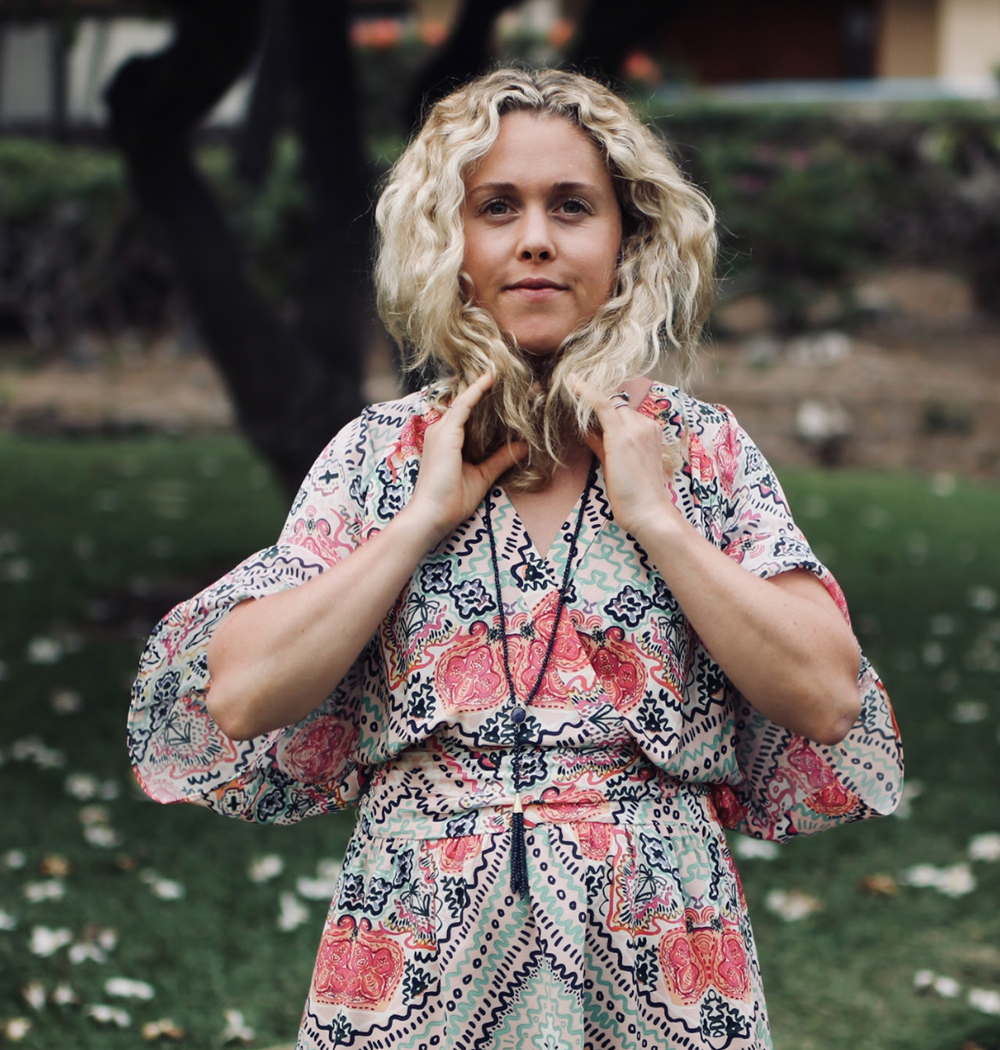

Growing up, food wasn’t something I fixated on. It was stress-free and simply part of everyday life. My parents consistently prioritized family dinners (barring swim team or piano lessons, or one of my siblings’ after-school activities). Our fridge held broccoli and Toll House cookie dough side by side, and takeout pizza was as much a weekly staple as the veggies my parents cooked. I presume it was a conscious decision, but they never labeled food as good or bad. And I don’t take for granted how rare it is that my mom never dieted. All of these things profoundly shaped the house I grew up in—and I know my brother and sister would say the same. I’m grateful for that now in a way I couldn’t have understood at the time.

Then Everything Changed
Fast-forward to my sophomore year of college: My long-distance relationship from high school ended, and it felt like my whole world went with it. Around the same time, I watched my sorority sisters cut carbs and began to wonder if I should do the same. Unfortunately, it didn’t take long for me to adopt many of the same rules. I realized food gave me something to control when nothing else in my body (or mind) felt steady. While I never counted calories, I became exceptional at two things: ignoring my hunger and exercising more than my body needed, all while telling myself I was doing something good for it. Disordered eating crept in slowly, as these things often do.
In the fall of 2010, I left to study abroad in Spain. By this point, my habits were teetering on the edge of obsession, and the distance made it easy to hide them. Plus, FaceTime wasn’t invented yet and Instagram was barely public knowledge. As a result, my parents had no idea how quickly I was losing weight off my 4’11” frame. I walked miles and miles every day, whether I was going to class or meeting friends for tapas (which I nibbled at to make it look like I was eating). I joined a gym in Sevilla, too, all while feeling more unhappy than I let on to anyone.
The Wake-Up Call I Didn’t Choose
When I returned to campus in January, I filled every hour I had: sorority leadership, a part-time job at Lululemon, and a full course load—anything to keep from feeling. Fortunately, my parents saw right through it. They had me fly home for the weekend, but I was in a car accident on the way to the airport (a strange twist of fate, or a divine intervention?). Sitting there afterward, completely shaken but still alive, I remember thinking clearly for the first time in a long while: Why was I at war with my own body?
I started therapy and began working with a nutritionist. Slowly, I let go of the grip I’d been holding onto for years. I found out I could nourish myself without ruminating over every bite (an otherwise foreign concept at the time), and with the slightest bit of courage, began trusting hunger cues. Years later, I started dating my husband and his laissez-faire relationship with food was just what I needed. Not long after, I left my stressful tech job to study holistic nutrition, because I knew exactly why I wanted to do this work.
If I’ve learned anything, it’s that nutrition content online rewards certainty. A food is either a superfood or something to fear, and the algorithm has little patience for anything in between. But I get it: Extremes are easier to package into a 15-second video than nuance is. But my own history is proof that black-and-white thinking doesn’t make anyone healthier. What works for one person’s hormones or stage of life can look different for someone else, and that context gets lost every time a rule gets flattened into a trend.
The Rules I Finally Let Go of
Part of building a sustainable relationship with food meant unlearning the rules I used to swear by, the ones that once dictated nearly every meal. Here are five of them, and why letting go of each one made me healthier rather than less disciplined.
1. The Bedtime Snack I Used to Fear
I used to believe eating late at night, especially if you’re consuming carbs, went straight to fat storage. But good news! Metabolism doesn’t work that way. A heavy, sugar-loaded meal right before bed can disrupt sleep, but a balanced evening snack can help stabilize blood sugar and keep you from waking up hungry at 2 a.m. These days, as a breastfeeding mom with muscle-building goals, I have a bowl of Greek yogurt mixed with collagen peptides, frozen berries, and nut butter within an hour of bed most nights.
2. Making Peace With Carbs
Even once I healed many of my irrational food rules, I still feared bread and pasta. But the more I learned about metabolism and hormones, the more I understood how essential carbohydrates are, especially for women. They support thyroid function, ovulation, deep sleep, and fuel workouts. They also help the body produce serotonin! These days, I don’t shy away from complex carbs. I don’t feel full and satisfied without them. I love everything from sweet potatoes to sourdough, and I think of them as energy rather than something to earn.
3. Letting Go of “Clean Eating”
Making peace with carbs was only one piece of the puzzle. I was still looking for ways to make my diet virtuous. In turn, I chased a different kind of perfection: eating only what I considered “clean” (bonus points if it was gluten-free), and I avoided anything ultra-processed. Scientifically speaking, that kind of narrow thinking is called orthorexia. Essentially, it’s an obsession with healthy eating—so much so that it becomes its own disorder. Now in my mid-30s, I aim for nutrient-dense meals most of the time because they make me feel my best, but I also eat the ice cream cone or croissant without spiraling over it.
4. Convenience Isn’t the Enemy, Either
Speaking of ultra-processed, I used to treat anything ultra-processed (like my kids’ chicken nuggets) as completely off-limits. I still prioritize whole foods, but I no longer fear convenience or something that contains seed oils, especially when accessibility matters more than homemade. Yes, I look at ingredient quality, but I’ve stopped being fear-mongered into believing that one ingredient can make or break my health (particularly in moderation). Sometimes, good enough really is good enough.
5. The Macro-Counting Rule I Skipped Entirely
Lastly, I used to think you needed a food scale to change your body. Postpartum with my second baby, I stumbled into a different approach by accident. Instead of chasing fat loss (the usual postpartum playbook), I leaned into building strength and muscle. I built meals around a source of protein, half a plate of colorful veggies, a palm-sized portion of complex carbs, and a modest amount of fat. Through this framework, I gained 12 pounds of muscle without ever counting a macro! Yes, tracking can be a useful short-term tool, and I’m not opposed to it for people who like the structure. But it isn’t the only path to results, and it isn’t a requirement for progress.

Growing Through What You Go Through
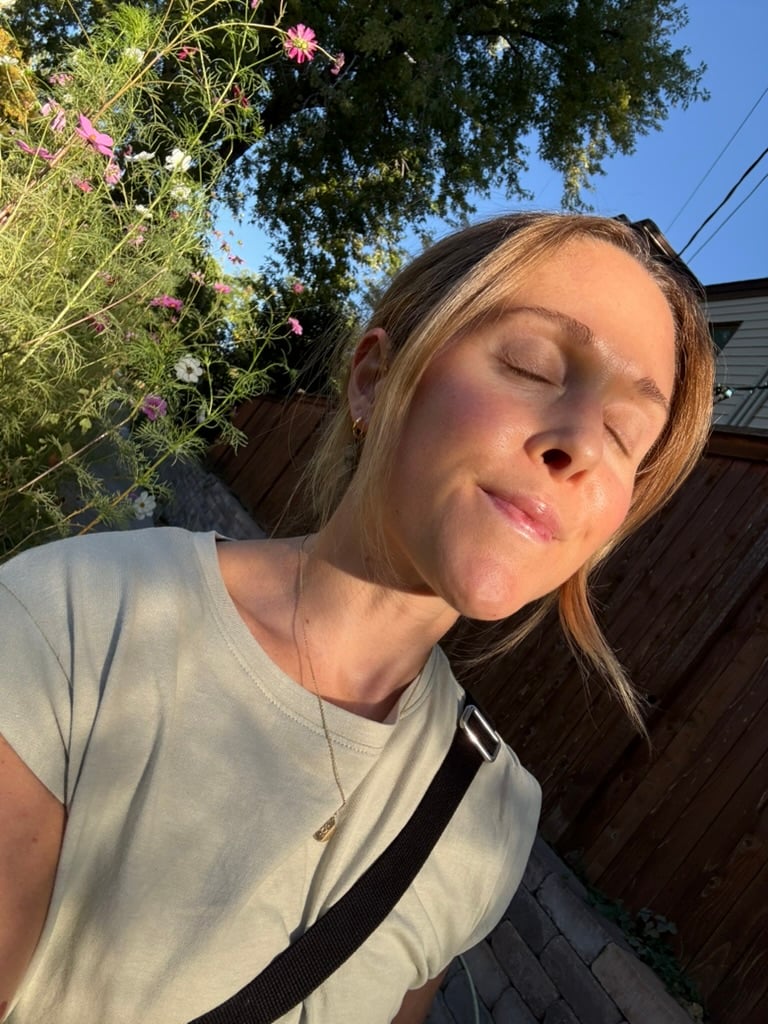
As difficult and tumultous as those years were, I know I’ve grown through went I went through. The things I once struggled with forever changed the way I think about health and nutrition. Yes, I had to unlearn a lot of rules to understand what a realistic, feel-good relationship with food looks like, but that perspective shapes the way I approach nutrition today. I’m still passionate about eating well. I still read ingredient labels, prioritize protein and produce, cook most of our meals, and think about how food can support our longevity. Simultaneously, I believe that health is also having enough flexibility to live your life, too.
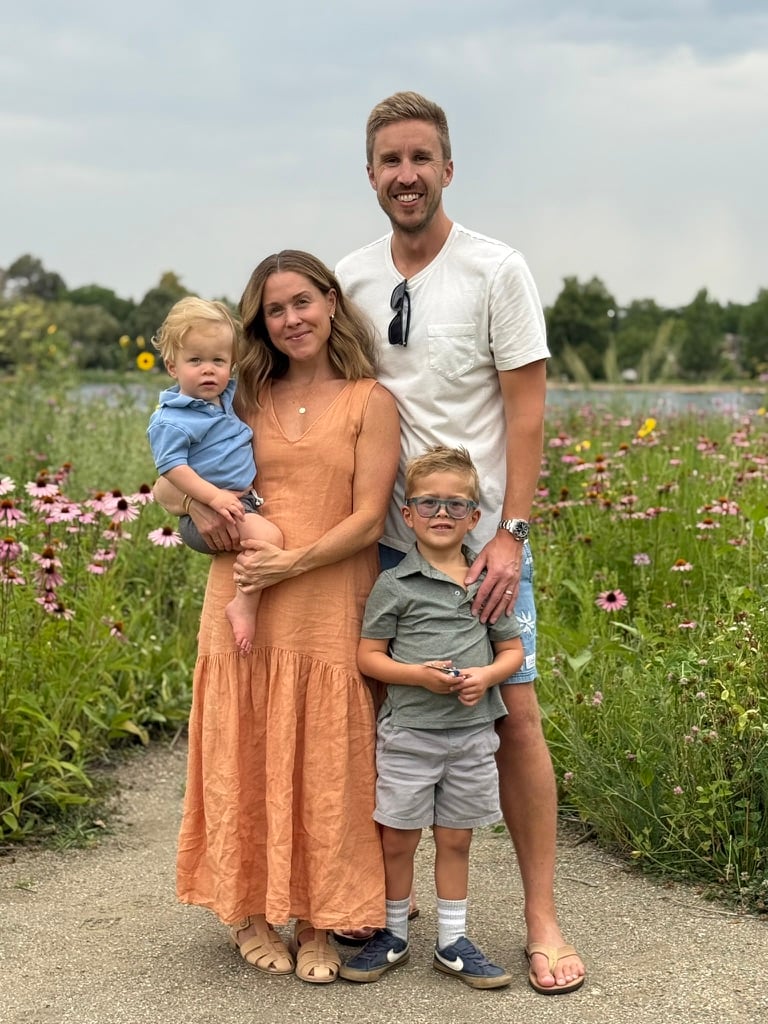
Perhaps the biggest lesson I’ve taken from my own experience is the one my parents taught me (without ever saying it out loud): Food doesn’t have to be complicated. It can nourish you, bring people together, fit into a busy Tuesday night, and sometimes just be something you really enjoy. That’s the relationship with food I want my kids to grow up with—one where chicken nuggets and broccoli coexist in the same kitchen. I spent a long time learning how to make peace with food. Now, I want to make sure my boys never have to make peace with it in the first place.