

We may receive a portion of sales if you purchase a product through a link in this article.
Perimenopause and menopause are finally getting the attention they deserve. Over the past decade, the conversation around how women age has evolved, but until recently, the science behind the hormonal changes and symptoms was still lagging. Now, there’s less shame about these changes and more support.
While more information can be empowering, it can also be overwhelming. So I brought in two experts to break down the link between perimenopause, menopause, and skin: Dr. Mastaneh Sharafi, PhD, RD, senior vice president of science and innovation at personal health brand Ritual; and María Emilia Uribe, founder of women’s health and wellness brand Aphlora.


How do perimenopause and menopause change your skin?
When it comes to health research, the bleak truth is that women’s health is behind. “Women’s health research hasn’t historically been a funding priority,” says Dr. Sharafi, and research on women’s skin is even thinner.
“Women spend roughly a third of their lives after menopause. The science of what happens to our largest organ in those years should not be this thin,” says Uribe.
According to Uribe, “Menopause is a process, not an event.” It’s a season of life full of changes, and those changes affect our skin.
The mainstream conversation about perimenopause is fairly new, making the research even less available. “Perimenopause remains understudied compared with postmenopause, in part because standardized criteria for staging the transition are relatively recent,” says Sharafi.
As the research progresses, it becomes clear that perimenopause and menopause are nothing to be scared of. Rather, they’re seasons we can prepare for.
“I think about skin the way we’re taught to think about bone: build reserves early, then protect them,” says Uribe.
Perimenopause and skin
What skin changes can we expect to see during perimenopause?
“In perimenopause, estrogen doesn’t fall in a straight line. It swings, sometimes wildly,” says Uribe. As estrogen fluctuates, progesterone drops and androgens become relatively more dominant. This hormonal unpredictability is part of what causes changes in the skin.
“Skin is a hormone-responsive organ. Estrogen helps it make collagen, hold water, produce oil and keep a strong barrier,” says Uribe.
Common skin changes during perimenopause may include:
- Inconsistent oil production (sometimes dry, sometimes oily)
- Breakouts
- Dullness
- Sensitivity
- Compromised barrier
- Pigmentation
- Flushing/lingering redness (hot flashes can aggravate rosacea)
- Itchiness
“Perimenopausal skin isn’t simply aging,” she says. “It’s responding to changing hormone levels.”
After our estrogen production peaks around the age of 30, our collagen and elastin supplies begin to fall. But according to Sharafi: “You can mitigate these changes, and the earlier you start, the more you have to work with.”
How can we support our skin during perimenopause?
“In perimenopause, the goal is a routine that can flex with your skin,” says Sharafi. Go back to basics, then supplement your routine as needed. “Some months your skin may need more moisture than others. For anything more targeted, including breakouts, a dermatologist can recommend options that won’t irritate skin that has become more sensitive.”
Uribe advocates for keeping skincare gentle. “Resist the urge to treat breakouts the way you did at 16. Midlife skin is drier and thinner, and harsh acne routines usually make things worse.”
For skin after 40, the focus should be building up your skin barrier, accelerating cell turnover (for collagen and elastin production), and supporting skin longevity.
Skincare for perimenopause

Vintner’s Daughter
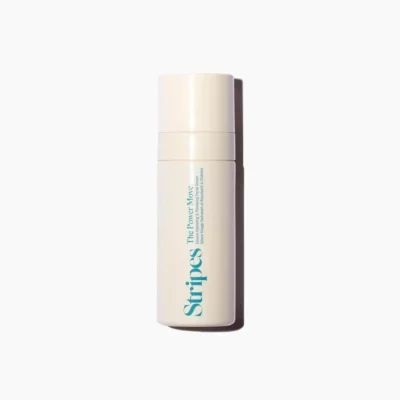
Stripes Beauty
What we eat, what we do, and how much time we spend outside also affect our skin even more in perimenopause. Sharafi says to be mindful of lifestyle factors such as:
- Skip alcohol, caffeine, and spicy foods, which can set off hot flashes
- Protect your sleep (pro tip: keep your room dark and cold)
- Stay hydrated to prevent dehydrated skin
- Wear sunscreen daily, since skin may be more sensitive to the sun
- Have a real stress practice, even ten minutes of slow breathing
Menopause and skin
What skin changes can we expect to see during menopause?
“Aging and menopause happen at the same time, which makes their effects hard to separate,” says Sharafi. There’s also minimal research on menopause and skin because its effects fall between gynecology and dermatology, with some changes labeled as “cosmetic.”
According to Uribe, the difference between perimenopause and menopause is that estrogen stops fluctuating and stabilizes, but it’s consistently low.
“The skin loses a hormone it relied on for collagen, moisture and repair,” says Uribe. “We lose about 30% of our skin’s collagen in the first five years after menopause,” which is caused by years of low estrogen more than age itself.
Skin changes during menopause include:
- Deeper, more persistent dryness and itchiness
- Thinner, more fragile skin
- Bruises easily and heals more slowly
- Loss of firmness
- More visible lines
How can we support our skin during menopause?
As our skin changes in menopause, Uribe encourages us to shift from thinking about “correcting” to “cushioning.” “The routine gets richer, gentler and extends below the chin,” she says.
- Cleanse with a cream or oil cleanser; skip the morning cleanse if skin feels tight
- Moisturize face and body within minutes of washing, while skin is still damp
- Take shorter, lukewarm showers
- Wear sunscreen daily, including neck, chest and hands
Skincare for menopause

Jones Road
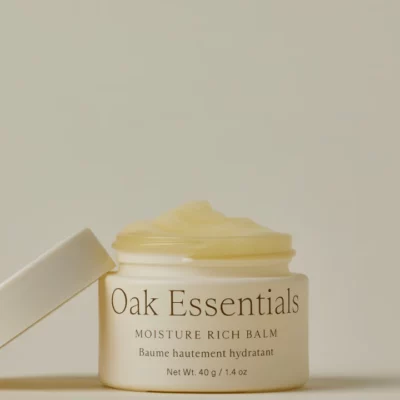
Oak Essentials
“Diet is an often-overlooked part of skin care,” says Sharafi, especially after menopause. Some foods to add to your diet include:
- Vitamin C: brightness and collagen production
- Protein: collagen, elastin, muscle density
- Linoleic acid (fat found in nuts and seeds): reduces dryness
- Flavanols (like cocoa beverages): improvements in wrinkles and elasticity
“The lesson isn’t a single food but a pattern: plenty of fruits, vegetables, nuts, seeds and healthy fats.”
What to look for in a perimenopause or menopause supplement
“No supplement replaces sunscreen, sleep or medical care,” says Uribe. “What a good one can do is support the systems underneath your skin, such as your stress response, energy and hormonal balance.”
Both Uribe and Sharafi recommend vetting your supplements based on:
- Every ingredient and dose on the label, with no proprietary blends
- Third-party testing, including heavy metals, and cGMP manufacturing
- Ingredients with a history of traditional use
“Look for the same markers of quality as with any supplement: randomized, double-blind, placebo-controlled trials that are registered in advance, conducted by independent research organizations and published in peer-reviewed journals, ideally including post/menopausal women,” says Sharafi.
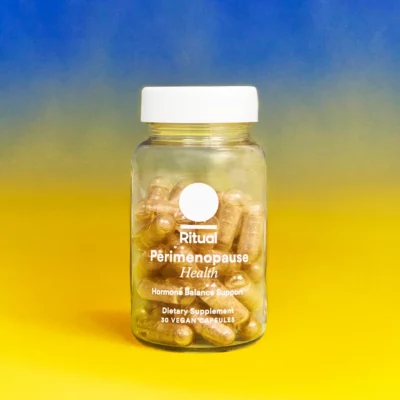
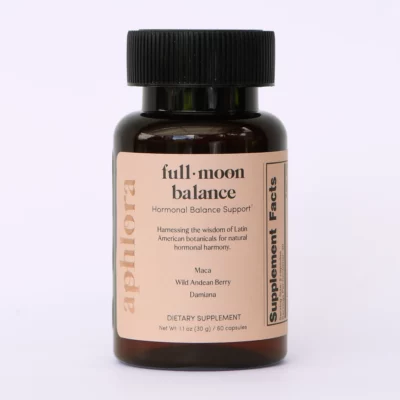
Perimenopause and menopause supplements
Aphlora