

We may receive a portion of sales if you purchase a product through a link in this article.
Certain small rituals shape how your home feels, and lighting a candle is one of them. It’s something I reach for almost without thinking, but I notice the shift right away. The right scent can make a space feel calmer, more grounded, a little more like somewhere you actually want to be.
But not all candles are created with that same intention. Many are made with ingredients you wouldn’t choose if you knew what was in them. And if it’s something you’re lighting regularly, that matters.
A candle should elevate your space—not compromise it.
What Is a Non-Toxic Candle?
Not all candles are created with the same level of care. Many contain ingredients like paraffin wax (a petroleum byproduct) and synthetic fragrances that can release unwanted chemicals into your space.
Non-toxic candles take a different approach. They’re made with cleaner-burning waxes—like soy, beeswax, or coconut—and use more thoughtful fragrance sources, so what you’re lighting actually aligns with the environment you’re trying to create.
How to Find the Best Non-Toxic Candles
If you’re trying to choose a better candle, a few details make all the difference. Start with the wax. Soy, beeswax, and coconut wax tend to burn cleaner than paraffin, which is derived from petroleum.
Next, look at fragrance. Candles scented with essential oils or botanical blends are generally a better option than those made with synthetic fragrance, which can contain phthalates. And don’t overlook the wick—opt for paper or 100% cotton, which burn more cleanly than metal-core alternatives.
How to Spot Greenwashing
“Clean” and “non-toxic” are everywhere in candle marketing, but they’re not regulated terms, meaning they don’t always mean much.
The easiest way to cut through it is to look for transparency. Turn the candle over, check the ingredient list, and see what the brand is actually telling you. If that information is hard to find—or overly vague—that’s worth noting.
It’s also important to look beyond the packaging. A minimalist label or elevated design can make a candle feel clean, but aesthetics don’t guarantee better ingredients. The brands worth buying from are the ones that are clear about what they use, how they source it, and why it matters.
We know this can feel like a lot to sort through—but it doesn’t have to be. Ahead, the non-toxic candles we actually reach for: clean-burning, beautifully scented, and worth lighting every day.

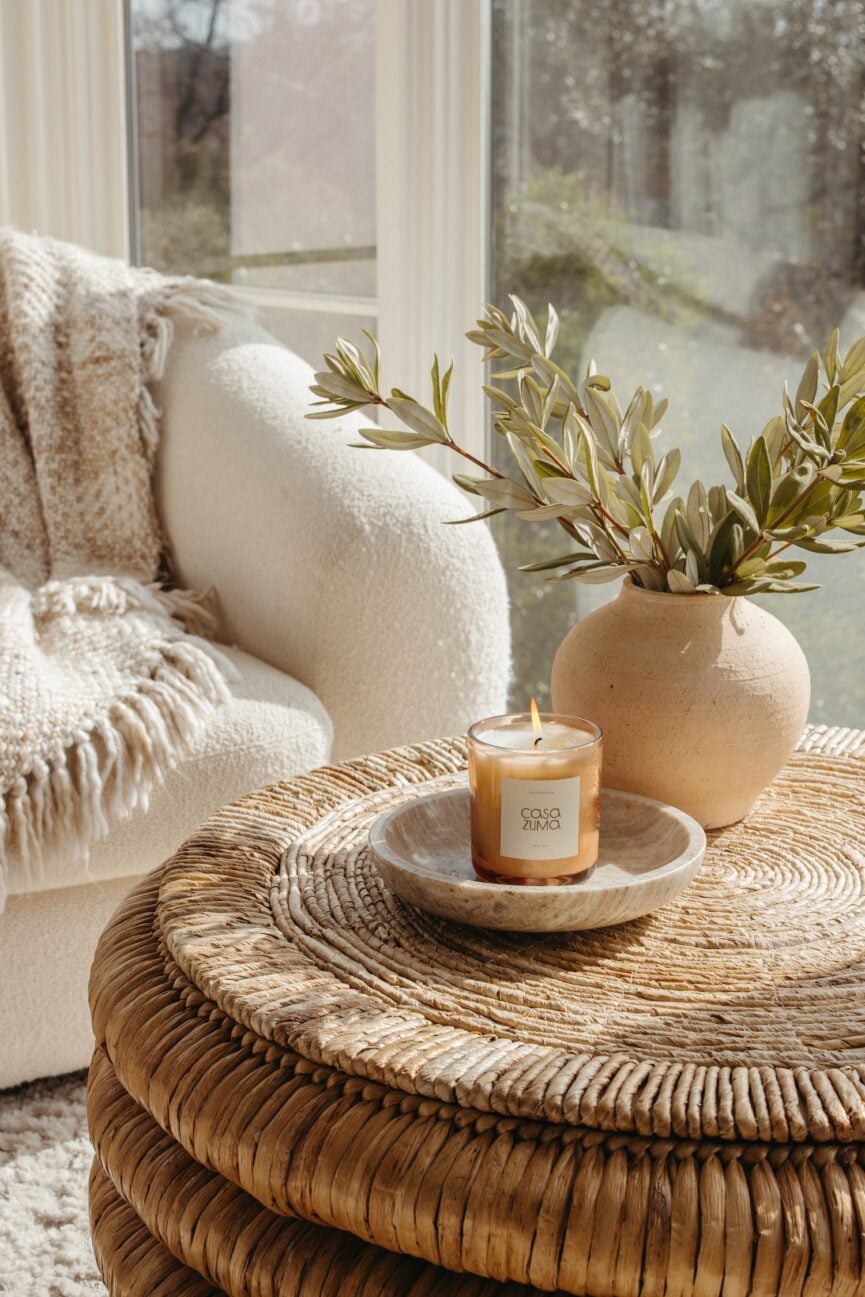
The Best Non-Toxic Candles to Shop Right Now
If you’re looking for a candle that feels as good as it smells, start here. These are the ones we reach for on repeat—clean-burning, well-balanced, and worth lighting every day.
Best Overall Non-Toxic Candle
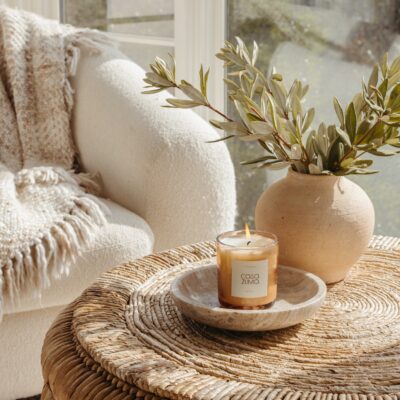
If you’re buying one candle this season, make it this one. Casa Zuma’s Daybreak strikes that rare balance of feeling elevated and effortless—clean-burning, beautifully layered, and subtle enough to light every day without overwhelming a space. It’s the kind of scent that makes your home feel instantly more considered, without trying too hard.
- Scent notes: warm citrus, soft woods, sunlit greens
- Wax: clean-burning (coconut/soy blend)
- Why we love it: an everyday candle that still feels special
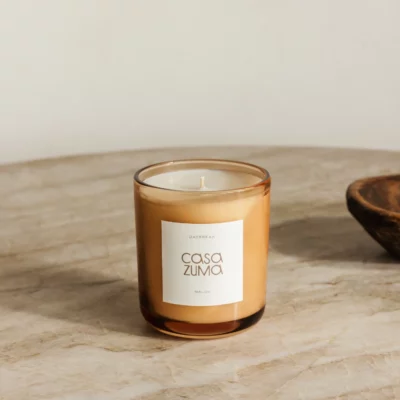
Casa Zuma
Fresh & Green
For when you want your space to feel light, clean, and a little more alive—these scents lean into herbs, citrus, and just-cut stems.
Editor’s Pick
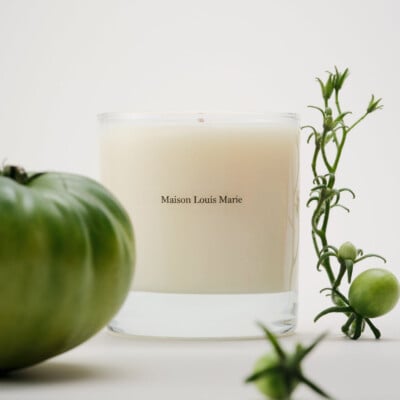
Maison Louis Marie Liane de Tomate Candle
“I don’t say this lightly—this is the candle I’ve been telling everyone about. It’s fresh, green, and just unexpected enough to stand out from the usual florals and woods. It’s the one I keep coming back to, and the one I’ve started gifting on repeat.” – Isabelle Eyman, Editorial Strategist
- Scent notes: tomato leaf, citrus, green herbs
- Wax: soy blend
- Why I love it: unique, fresh, and instantly mood-shifting
Maison Louis Marie
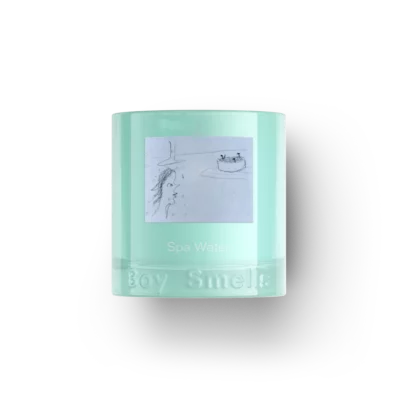
Boy Smells
Crisp and aquatic in the best way, like stepping into a space that instantly resets your mood.
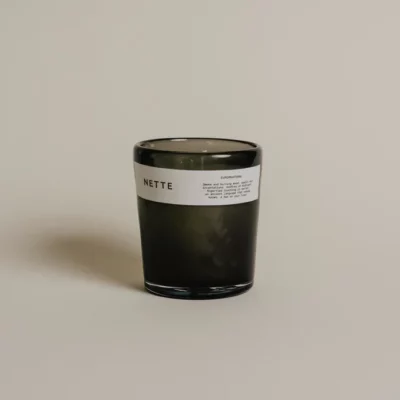
Nette
Bright and slightly herbal, this is the kind of scent that makes your home feel clean without trying too hard.
Warm & Grounding
These are the candles you reach for at the end of the day—deeper, cozier scents that make a space feel settled and complete.
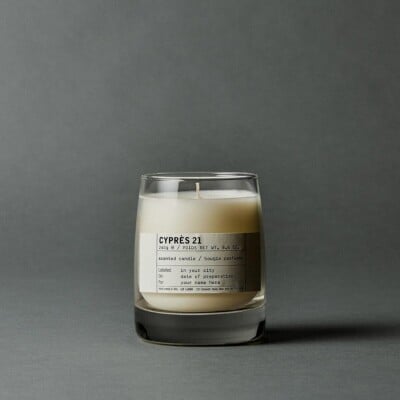
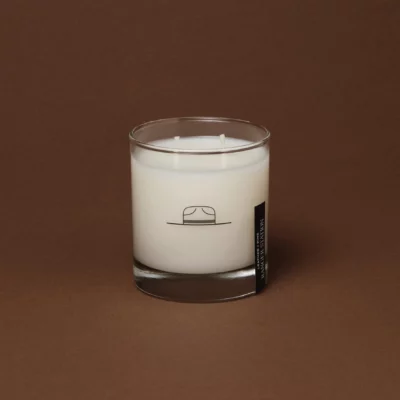
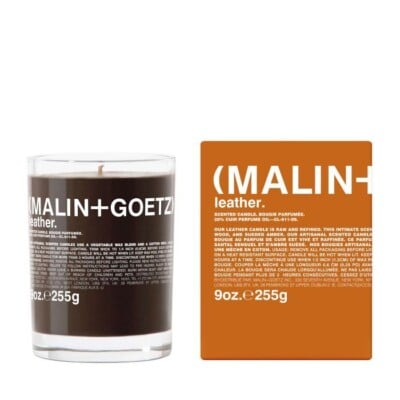
MALIN+GOETZ
Smooth and slightly worn-in, like your favorite jacket but in scent form.
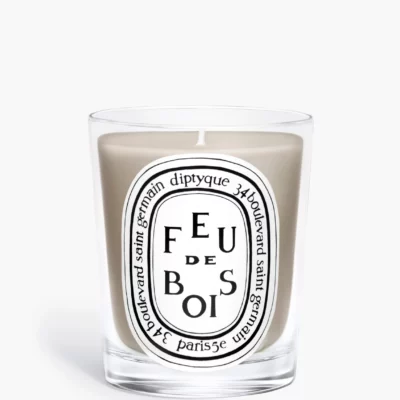
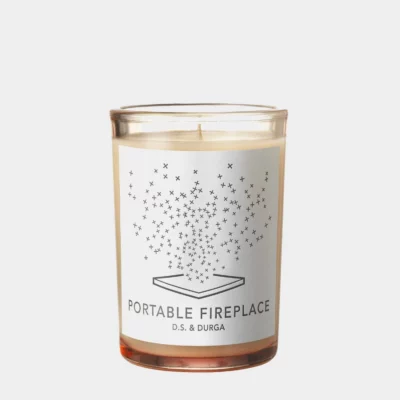
Soft & Floral (But Not Too Sweet)
Floral, but balanced—these feel modern, slightly moody, and easy to come back to.
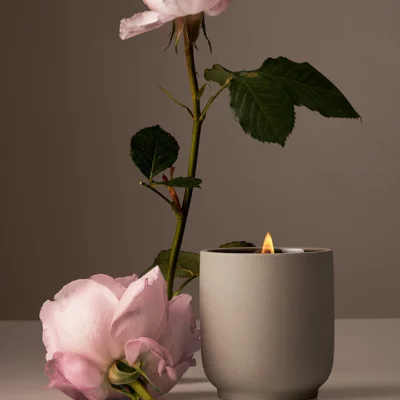
Homecourt
A deeper, more grounded take on rose that feels grown-up and intentional.
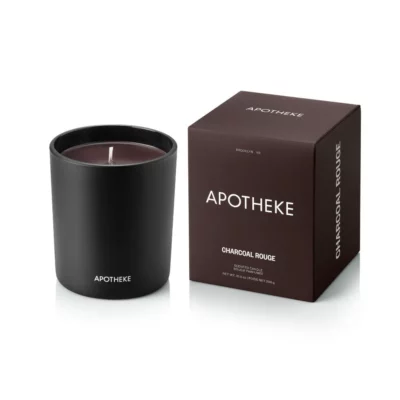
Apotheke
Warm florals with a subtle richness that makes it feel a little more elevated.
Elevated Everyday
The candles you can light anytime, anywhere—versatile, unfussy, and always a good idea.
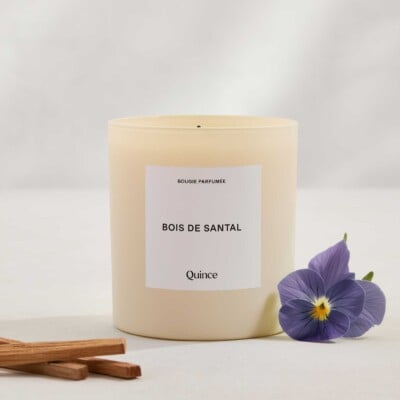
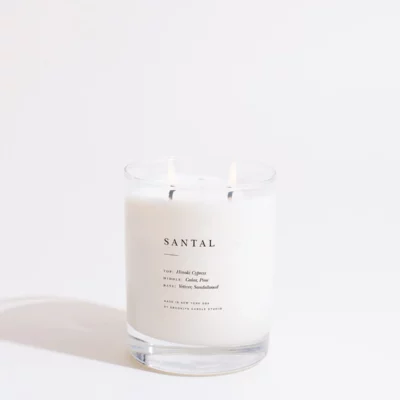
Brooklyn Candle Studio
Clean and familiar in the best way—an easy staple you’ll keep in rotation.
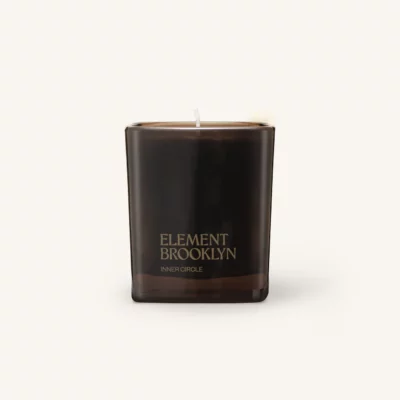
Element Brooklyn
Balanced and understated, the kind of scent that quietly pulls a room together.
Statement Scents
A little more unexpected, a little more distinctive—these are the ones people ask about.
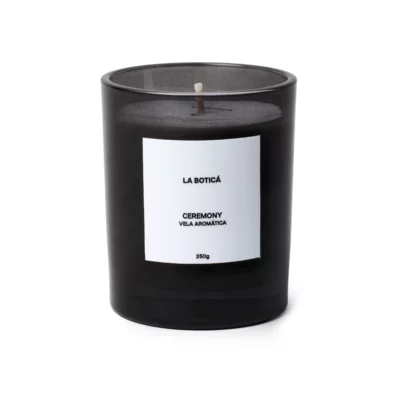
La Botica
Smoky, resinous, and slightly mysterious—more of an experience than a background scent.
This post was last updated on April 16, 2026, to include new insights.