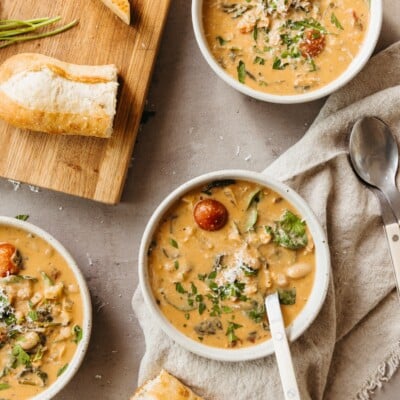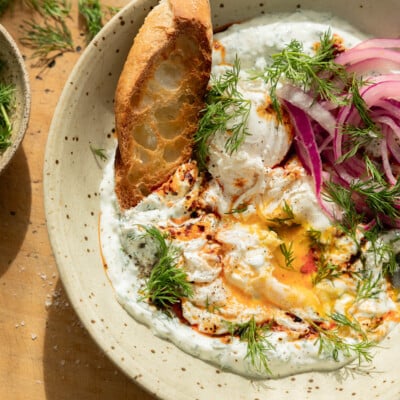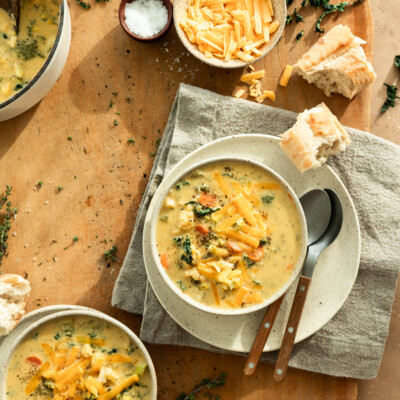

Take a quick scroll on social, and inflammation is all the buzz. Across wellness podcasts, news outlets, and the pharmaceutical industry, we’ve been conditioned to believe that inflammation is harmful. Spoiler alert: that’s not actually the case. When it comes to inflammation, we‘re looking to strike a balance—not too little, not too much. Unfortunately, the standard American diet is quite pro-inflammatory (hello, ultra-processed foods and heaps of added sugar). So, let’s reel it back a bit. In the spirit of putting our health first, we’re sharing anti-inflammatory recipes to better serve your body, your family, and the planet at large.
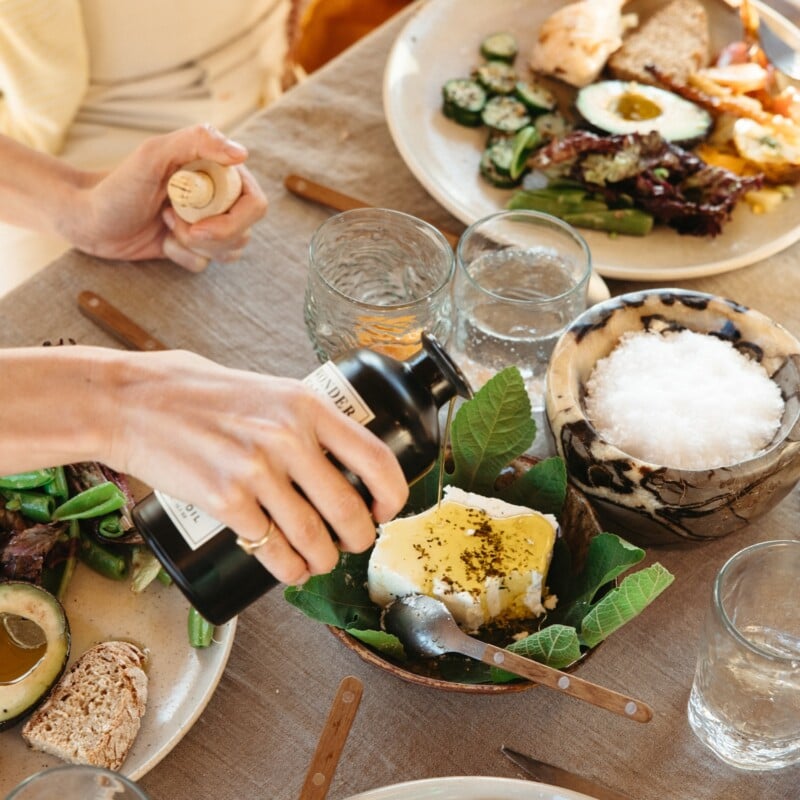
Feature image from our Desert Dinner Party with Wonder Valley Founder, Alison Carroll.
- What is inflammation?
- Inflammation: The Good, the Bad, and the Ugly
- Acute vs. Chronic Inflammation
- How do I know if I have too much inflammation in my body?
- How to Decrease Inflammation in the Body
- Foods to Avoid on an Anti-inflammatory Diet
- Foods to Eat on an Anti-inflammatory Diet
- 20 Anti-Inflammatory Recipes

What is inflammation?
Inflammation is a vital piece of our immune system. In fact, inflammation is what signals the heal and repair process in the body. It’s essential. It’s a defender against foreign invaders (think: viruses and bacteria). From a broken bone to eczema, inflammation plays a part. In essence, inflammation is your body’s first line of defense against toxins, infections, etc. When your cells are in distress, they release chemicals to alert the immune system. In turn, the immune system sends its first responders: inflammatory cells.
Inflammation: The Good, the Bad, and the Ugly
When your immune system unleashes an army of white blood cells, they engulf and protect the affected area. This causes visible redness and swelling. With infections like the flu, the immune system elicits a similar response to eliminate harmful pathogens. This is a good thing! In some cases, though, your body’s immune system triggers inflammation when there are no invaders to fight off (think: arthritis). In these autoimmune diseases, your body’s defense system goes into overdrive. This, as you can guess, is when inflammation does more harm than good.
Acute vs. Chronic Inflammation
While most of us associate inflammation with a cut or a broken bone, inflammation can also signal more significant health issues. But as mentioned, not all inflammation is harmful! Just as there are two types of cholesterol, there are two types of inflammation—acute and chronic. Understanding the differences can help you determine if you have too much inflammation in your body.
Acute Inflammation
This kind of inflammation helps us heal. If you sprain your wrist or cut your finger, the area becomes swollen. It may be hot to the touch, bleed, or get red. All of these symptoms are your body’s response to injury—and they signal that the healing process has begun. Acute inflammation is temporary and will dissipate as the injury heals.
Chronic Inflammation
Chronic inflammation, on the other hand, is more serious. If left untreated, it can start a chain of symptoms that can adversely affect your health. Many factors contribute to chronic inflammation: your genetic predisposition, diet, sleep patterns, and other habits (i.e. smoking). For example, an unknown food allergy can cause inflammation in your intestine.
How do I know if I have too much inflammation in my body?
Great question. With an understanding of acute vs. chronic inflammation, the following are typical signs you have an overflow of chronic inflammation in your body:
- You’re tired all the time—as in exhausted, unmotivated, and lethargic.
- You have constant aches and pains.
- You’re experiencing digestive issues after most meals.
- Your lymph nodes swell easily.
- Your nose is constantly stuffy.
- Your skin breaks out.
This isn’t an exhaustive list, and these symptoms can indicate other issues in the body. Speak with your healthcare provider if you believe you have chronic inflammation.
How to Decrease Inflammation in the Body
Along with minimizing stress, mindfully moving your body, and getting quality sleep, one of the best ways to decrease inflammation is—no surprise—via nutrition. Specifically by eating anti-inflammatory foods. These foods nourish the body on a cellular level, helping fight against unwanted inflammation. From potent herbs and spices to fatty fish and other Mediterranean foods, fighting inflammation is two-fold: delicious and functional.
Foods to Avoid on an Anti-inflammatory Diet
Before we dive into anti-inflammatory recipes and foods to add to your plate, let’s talk about a few pro-inflammatory offenders. While this varies from person to person, there are common culprits. For example, fast food, high-sodium frozen meals, omega-6 vegetable oils (canola oil), alcohol, and conventionally-raised meats. These are all associated with higher levels of inflammatory markers. Additionally, sugar-sweetened beverages and refined carbs can also promote inflammation. A few specific examples: packaged white bread, potato chips, mozzarella sticks, soda, energy drinks, and hot dogs.
While creating food fear is not the goal, it’s important to know what foods can help or hinder your cellular and organ health.
Foods to Eat on an Anti-inflammatory Diet
Eating a diet rich in anti-inflammatory foods can be a game-changer. The easiest way to begin? Add color! Aim for 3-4 colors per meal. For example, citrus salmon with brown rice and sautéed spinach. Or, pastured eggs scrambled in ghee with bell pepper, sweet potato, and arugula. Below are some of the best anti-inflammatory food choices.
Avocados
Avocados have omega-3 fatty acids, along with potassium, magnesium, fiber, and heart-healthy monounsaturated fats. In one study, participants who consumed avocado with a hamburger, as opposed to just a hamburger, had lower levels of a few inflammatory markers.
Bell Peppers
Bell peppers are high in vitamin C and antioxidants that have powerful anti-inflammatory effects. They also provide the antioxidant quercetin, which may reduce oxidative damage.
Berries
From strawberries to raspberries, berries are an incredible source of antioxidants. They contain antioxidants called anthocyanins, compounds that may have effects on reducing the risk of diseases.
Bone Broth
Bone broth is a very nourishing food for healing intestinal permeability. In other words, it helps the gut lining. Bone broth contains collagen, which supports the gut lining and reduces inflammation.
Ginger
Not only does ginger naturally increase serotonin and dopamine levels, but it also improves the body’s anti-inflammatory response. As a result, ginger can reduce muscle pain after intense physical activity. Furthermore, ginger is high in gingerol, a substance with powerful anti-inflammatory and antioxidant properties.
Mushrooms
Mushrooms have been reported to contain antioxidant properties. These antioxidant properties enable them to neutralize free radicals. In fact, research shows that shiitake mushrooms may boost your immune system.
Olive Oil
Extra-virgin olive oil, specifically, is rich in monounsaturated fats, which are linked to a reduced risk of cardiovascular disease, brain cancer, and other detrimental health conditions. Unlike more refined olive oils, extra-virgin olive oil offers great anti-inflammatory benefits.
Seeds
Chia and flaxseeds are both high in omega-3 fatty acids, which are proven inflammation fighters. Best of all, they’re super easy to incorporate. You can add a couple of tablespoons of ground flaxseeds or chia seeds to your cereal, oatmeal, yogurt, baked goods, or smoothies.
Turmeric
Arguably one of the most anti-inflammatory ingredients, turmeric is a nutritional powerhouse. Used fresh (like in this winter wellness tonic) or powdered, turmeric has major benefits for your body and brain. In fact, studies show that turmeric’s main active component—curcumin—has the potential to treat various health conditions like arthritis and high cholesterol levels.
Wild-Caught Salmon
Salmon, sardines, mackerel, etc., are fatty fish with omega-3s, which research shows have potent anti-inflammatory properties. EPA and DHA, both present in these fish, reduce inflammation that can lead to chronic illness and disease.
20 Anti-Inflammatory Recipes
Not only do these recipes taste delicious, but they pack a nutritional punch. Most importantly, they’re loaded with anti-inflammatory ingredients. Whether you’re fighting a seasonal cold, working through chronic inflammation, or simply want to be proactive, these anti-inflammatory recipes contain compounds known to ease inflammation.
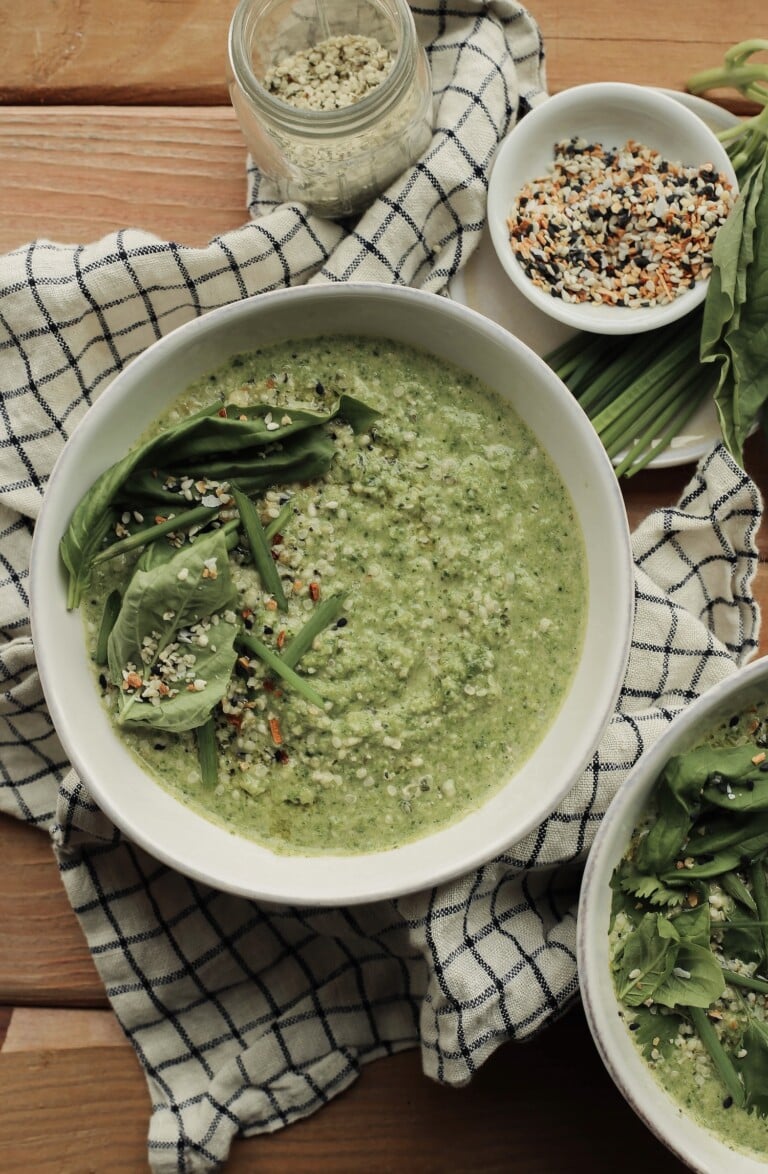
Big Green Immunity-Boosting Soup
Don’t let the color fool you. This comforting bowl of veggies tastes hearty and decadent (no dairy added!). From broccoli to ginger, there’s no shortage of immune-supporting ingredients.
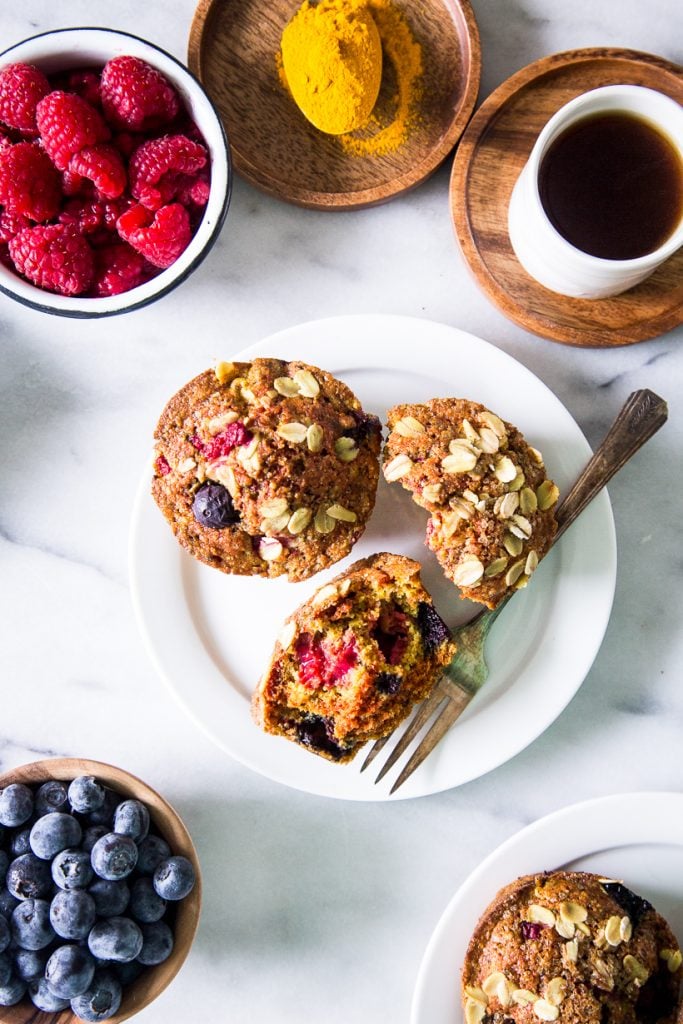
Anti-Inflammatory Turmeric Berry Muffins
The color! The texture! The nutrients! These muffins aren’t your standard bakery muffin. They’re brimming with anti-inflammatory goodness—raspberries, blueberries, walnuts, coconut oil, chia seeds, and apple cider vinegar. You won’t find any butter or granulated sugar, and you can easily make them gluten-free.
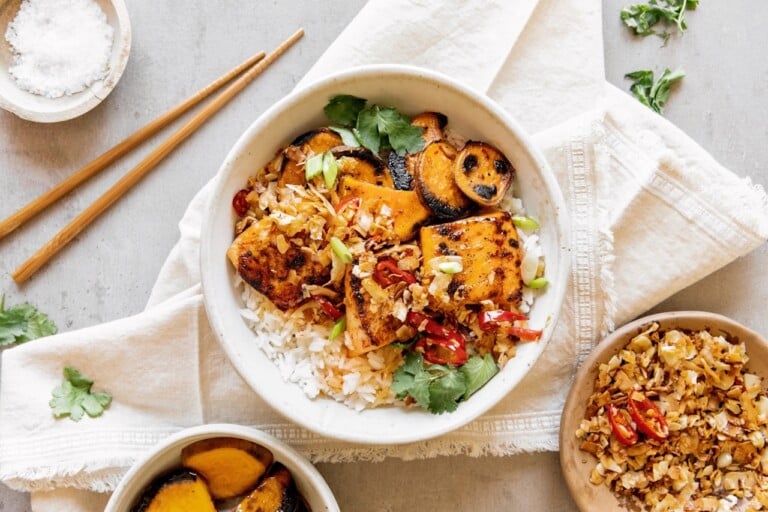
Hot Honey Glazed Salmon
You’d never know this super flavorful salmon bowl is filled with good-for-you anti-inflammatory ingredients. It tastes delightfully comforting but totally passes as a nourishing weeknight dinner. Salmon is rich in omega-3 fatty acids—known to reduce inflammation—honey is used as an anti-inflammatory, antioxidant, and antibacterial agent, and coconut contains medium-chain fatty acids (helping decrease pro-inflammatory cells).
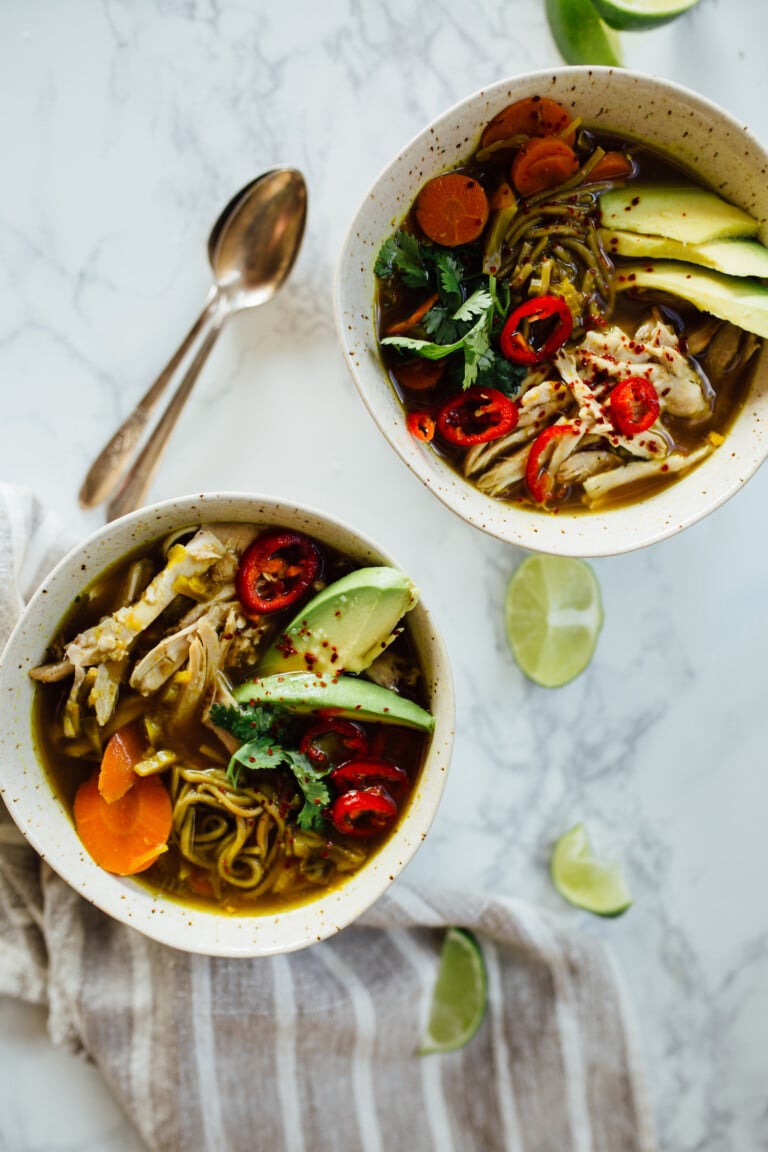
Turmeric Chicken Soup
This soup is proof that food is medicine. Although it uses easy-to-find ingredients, this soup is complex in flavor, function, and nutrients. To whip this together in under 20 minutes, use a store-bought rotisserie chicken. Throw everything into one pot (including the noodles), and add whatever toppings your heart desires.
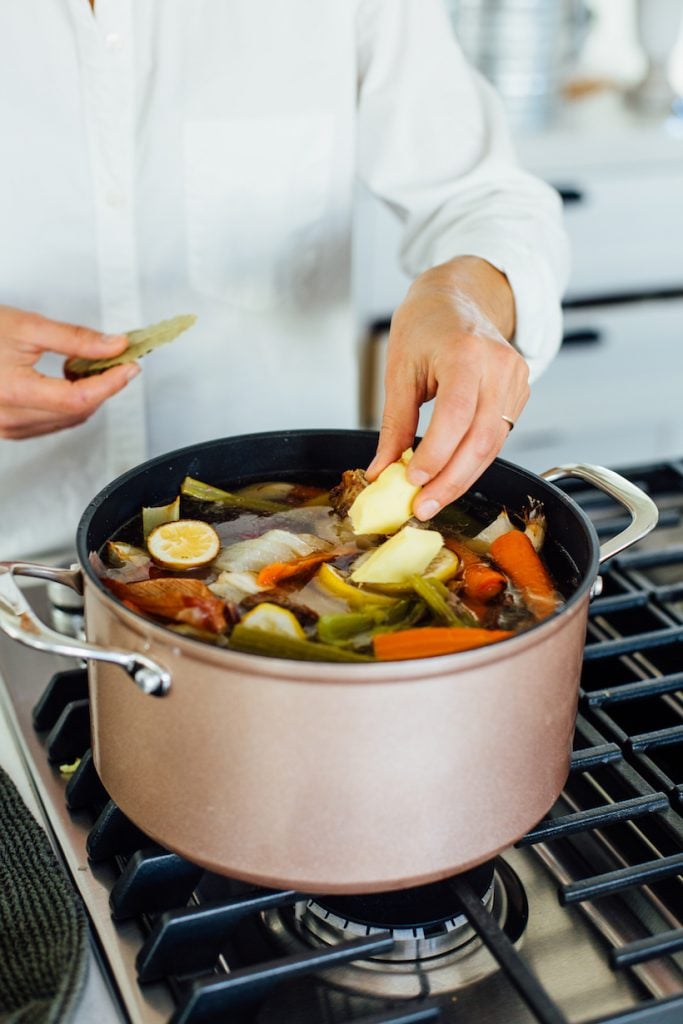
Homemade Bone Broth
Have you ever made homemade bone broth? It’s not as intimidating as you think—promise. Choosing the right bones for your broth is an important factor in making a batch that’s truly nutrient-rich and loaded with anti-inflammatory compounds. There’s a lot to be said on the matter, so peep this article for an in-depth guide to choosing your bones. Once you make your broth, store it in the freezer for when your immune system needs extra love.
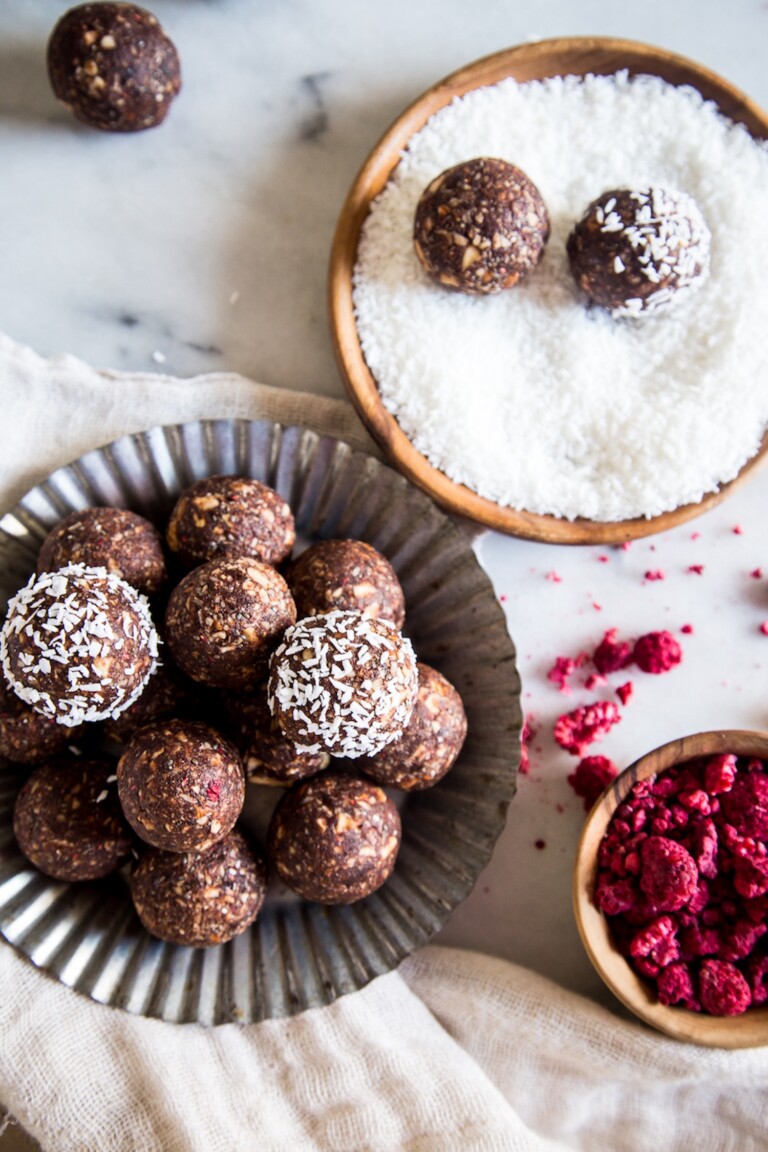
Raspberry Cocoa Energy Bites
Yes, chocolate is anti-inflammatory! Studies show that cocoa has medicinal properties. It contains a wide range of phytochemicals, including polyphenols (which are anti-inflammatory and rich in antioxidants). Raspberries also contain bioactive polyphenols with anti-inflammatory properties. Best of all, these taste rich and chocolatey without any refined sugar.
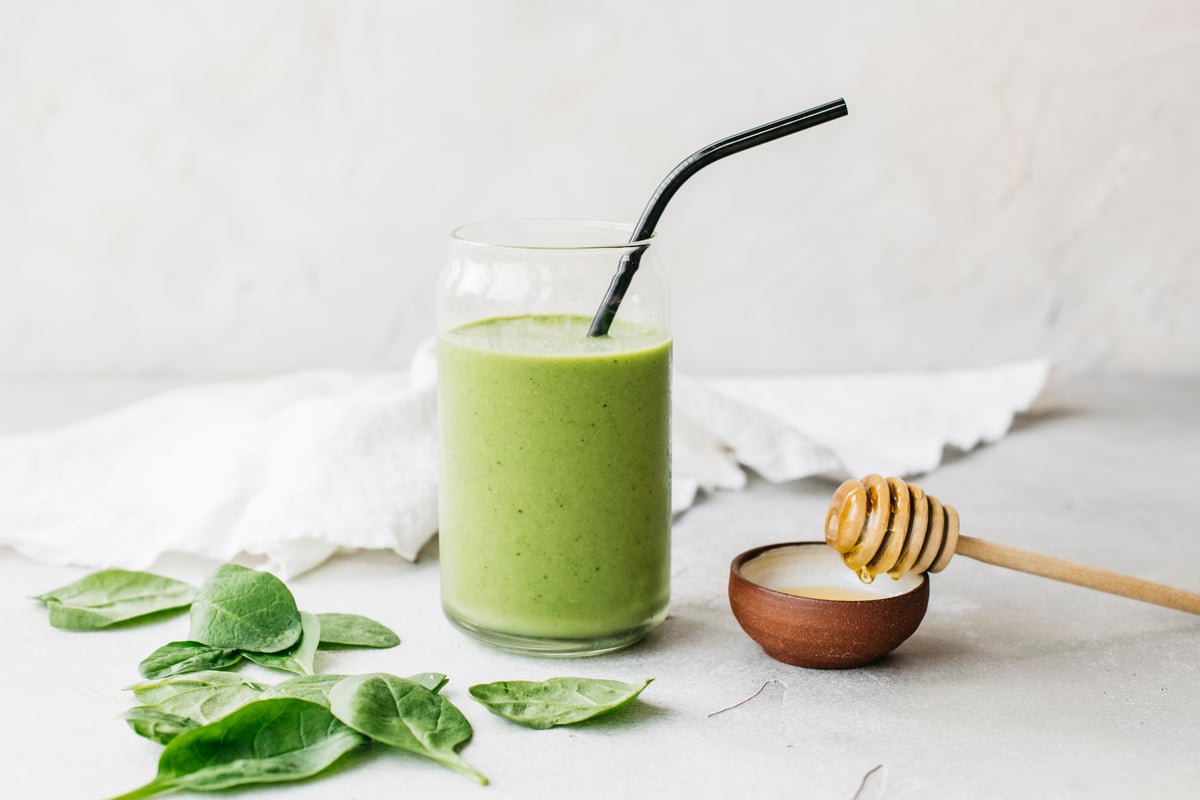
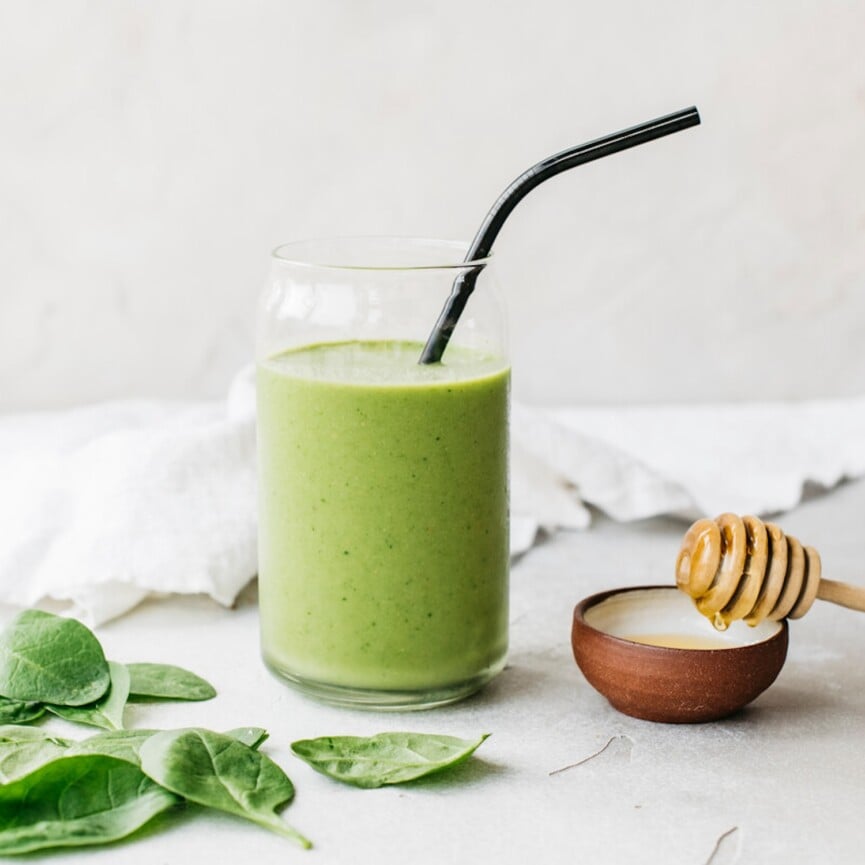
Healthy Green Smoothie
In a world full of shiny new food trends, the humble green smoothie has taken a backseat to bright açaí bowls and fresh celery juice. But this green smoothie deserves her moment. The secret ingredient? Fiber-rich cauliflower. And no, you won’t taste it! Not only does cauliflower add fiber and texture, but it also adds more antioxidants. Hello, nutrient-rich breakfast.
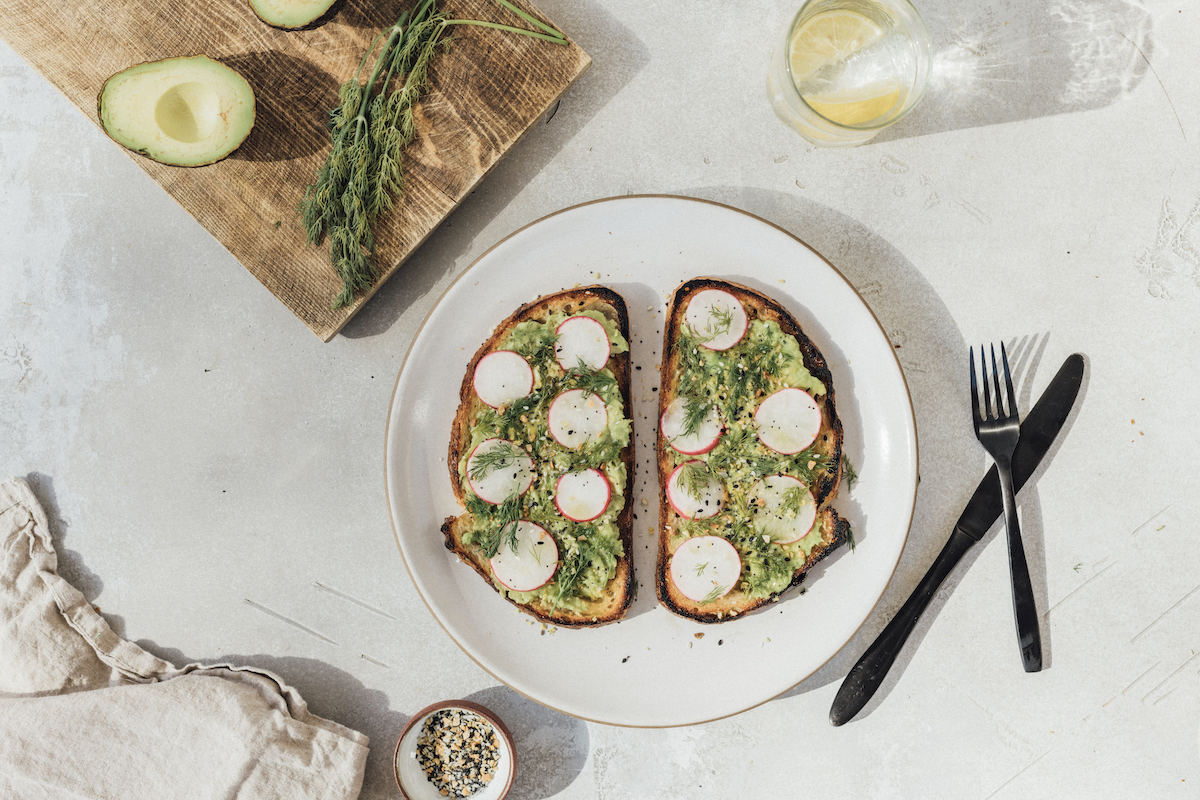
Avocado Toast With Kale Pesto
If you simply can’t resist avocado toast on a brunch menu, then you’re going to love this avocado toast with kale pesto. This recipe is bursting with antioxidant-rich greens, fresh herbs, and crunchy veggies. Not to mention it’s a great blood-sugar balancing way to start your day. And when it comes to keeping inflammation at bay, it’s incredibly important to maintain stable blood sugar.
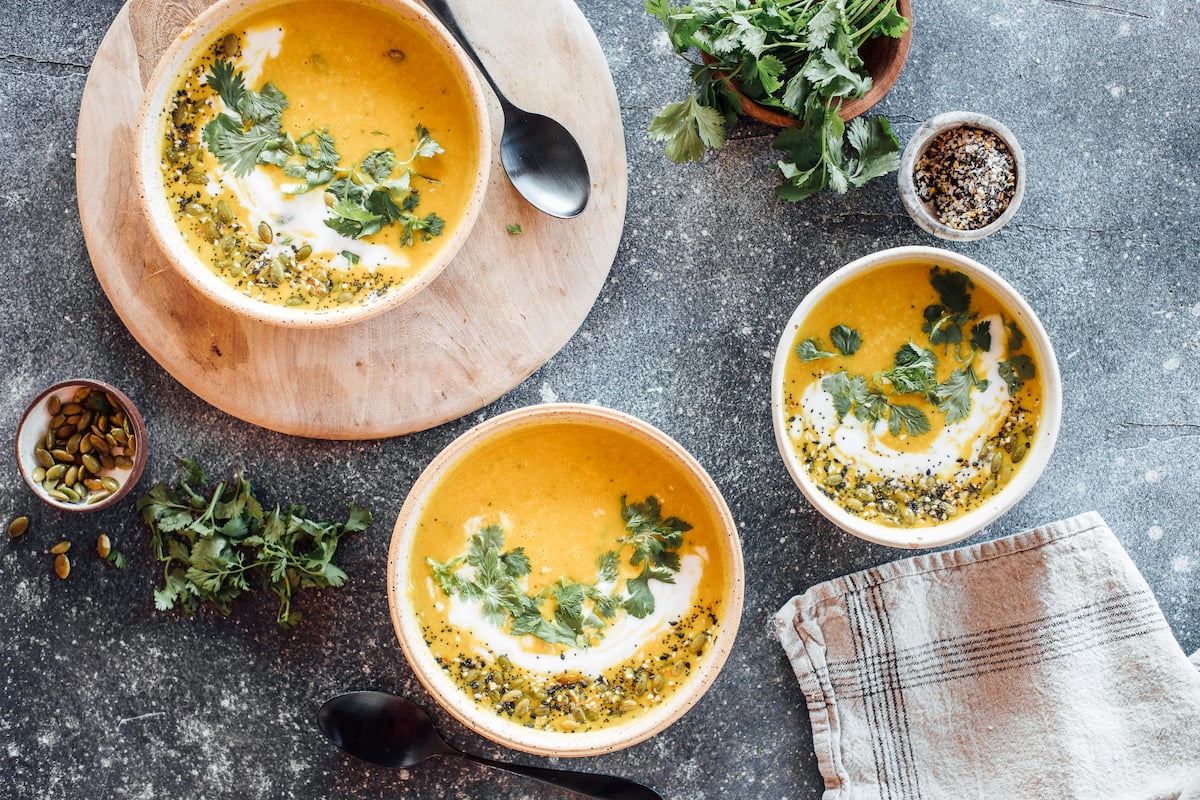
Vegan Butternut Squash Soup
When you’re feeling under the weather, comforting puréed soup is where it’s at. The blender’s already done the legwork for you, giving your digestive system the rest it needs. This soup calls for coconut milk for satisfying richness and tons of warming spices for lowering inflammation. Come winter, you’ll always want a batch of this in your freezer.
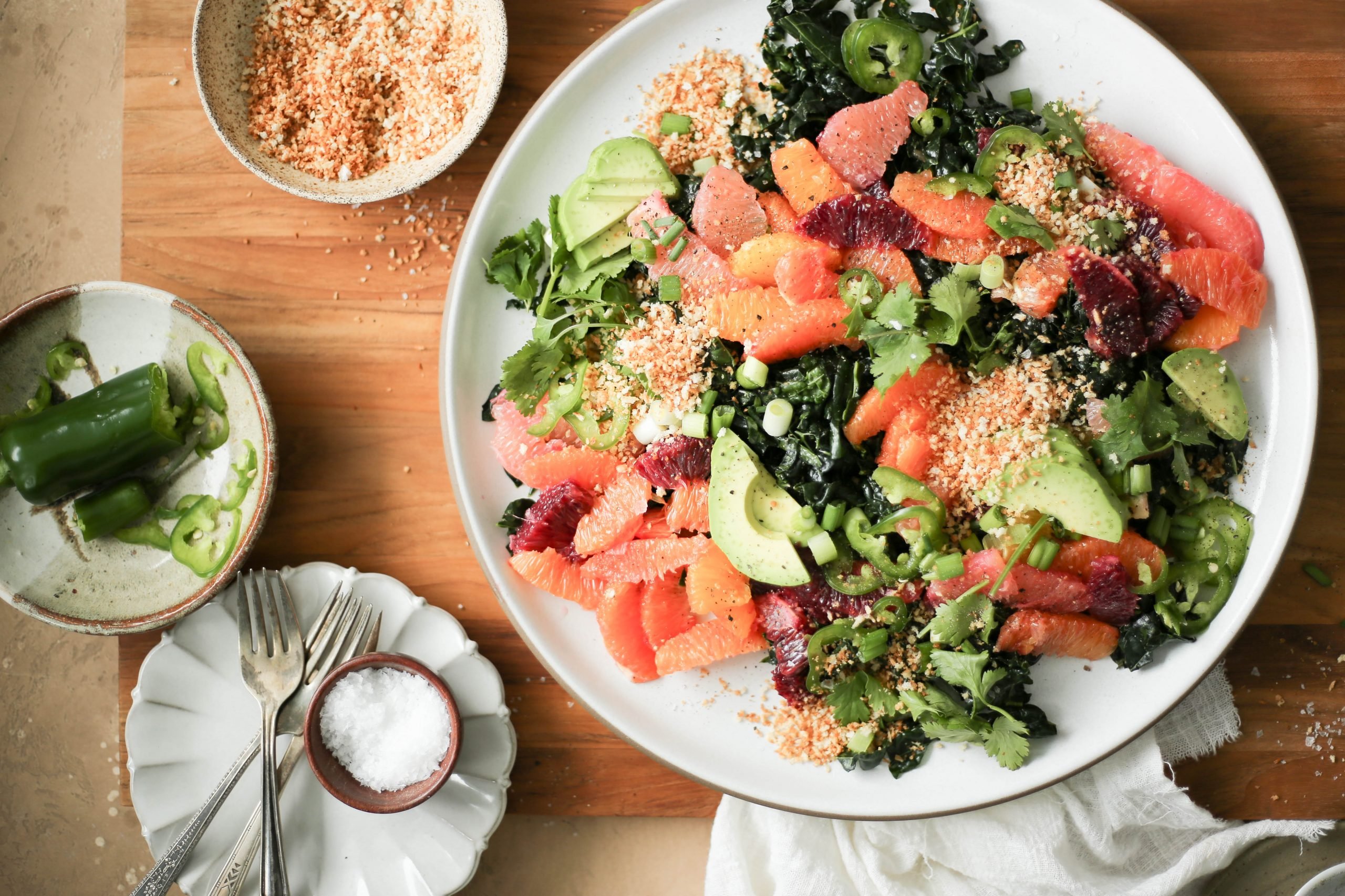
Kale Citrus Salad
Winter citrus just hits different. And good news, citrus foods—oranges, grapefruit, lemon, and limes—are rich in vitamin C. Meaning, they’re good sources of inflammation-fighting antioxidants. Make your own sunshine this winter with this sweet and spicy salad. You’ll want to add this to your weekly lunch rotation.
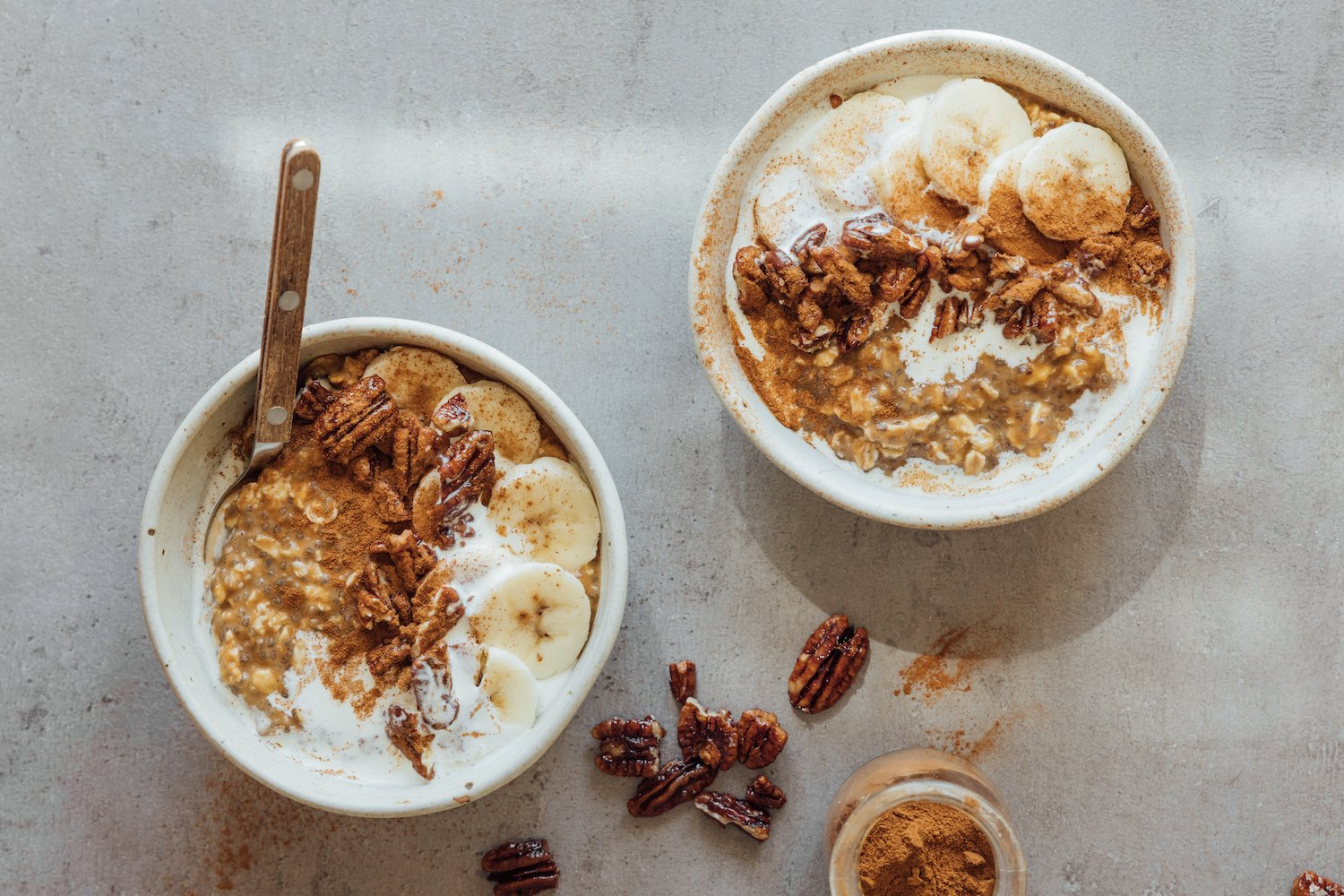
Pumpkin Overnight Oats
Nourish your body and soul with these pumpkin overnight oats. While we often think of pumpkin pie when we think of pumpkin, it’s a versatile ingredient for soups, smoothies, baked goods, and overnight oats. Plus, pumpkin is packed with nutrients like beta-carotene, which has been shown to have anti-inflammatory properties. Pumpkin seeds are also a good source of magnesium, another mineral known to reduce inflammation.
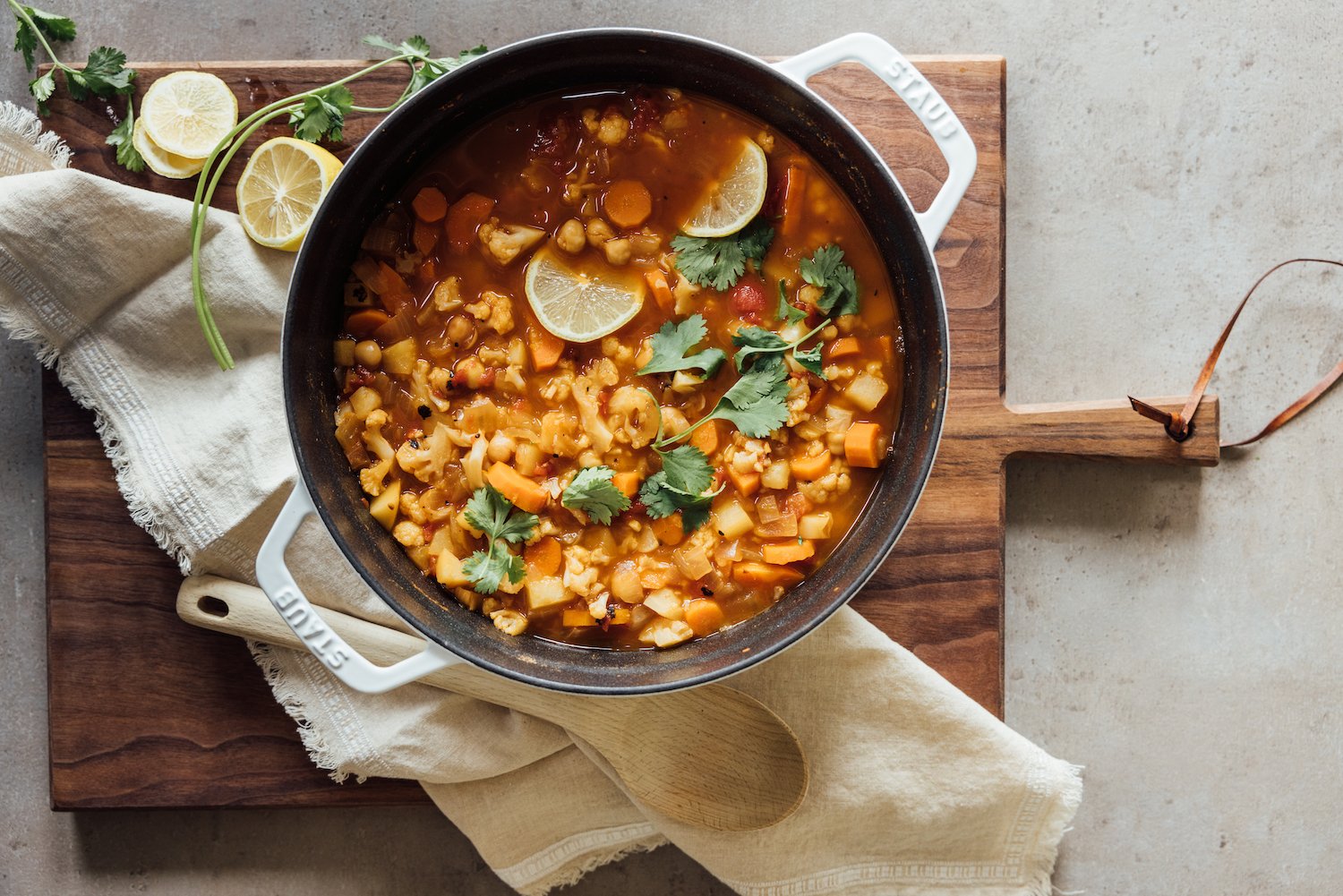
Vegetarian Chickpea Stew
An easy, one-pot recipe for vegetarian stew! It’s the perfect plant-based main that comes together in 30 minutes. With turmeric, ginger, garlic, olive oil—and plenty of nutritious veggies—it’s an anti-inflammatory powerhouse. This stew is the gift that keeps on giving.
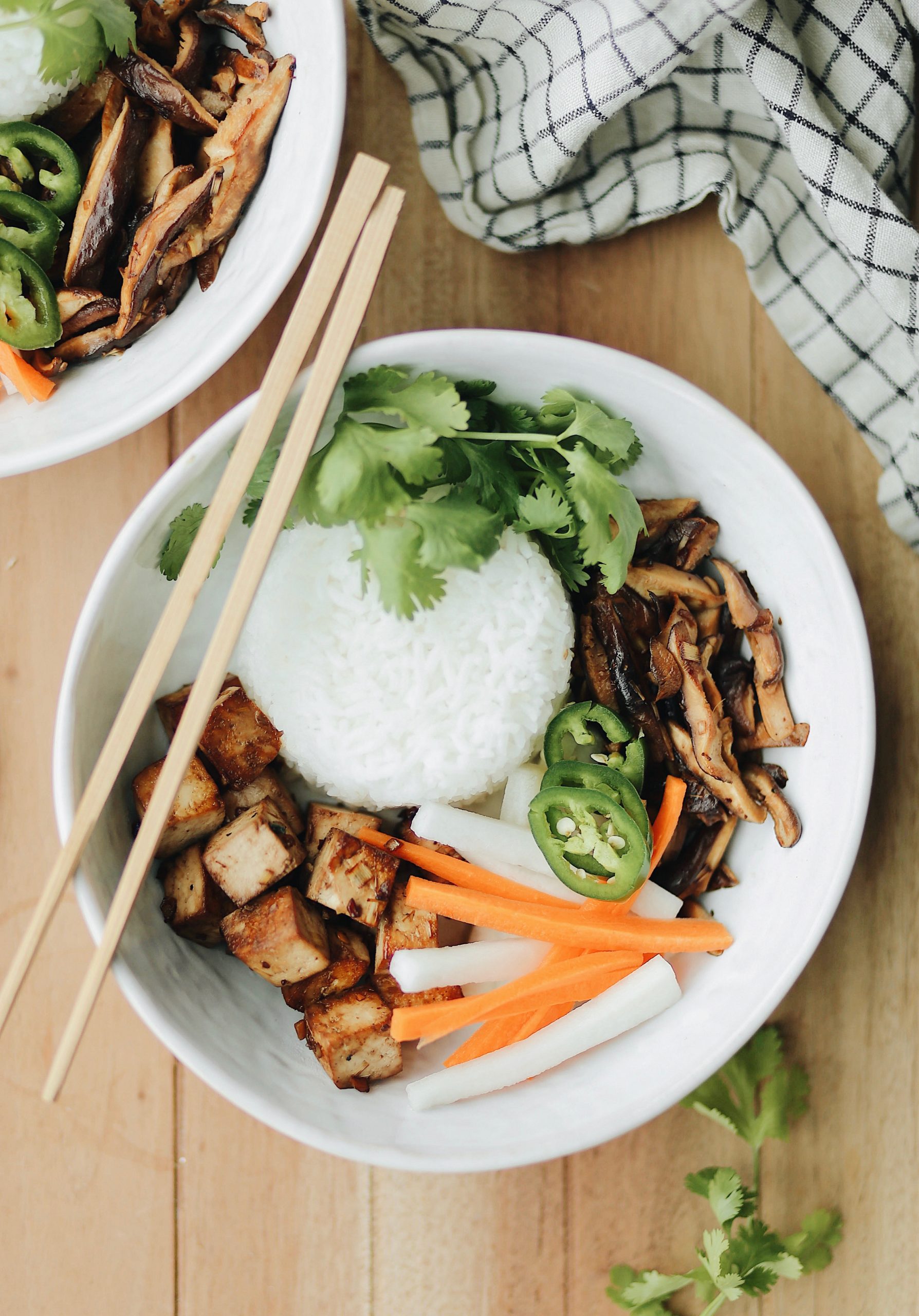
Spicy Tofu Banh Mi Bowl
Non-GMO soy foods, including tofu, are rich in plant compounds known as isoflavones. And isoflavones are known for their anti-inflammatory activity, which may explain why soy-rich foods have been associated with health benefits in epidemiological studies. While people with inflammation should generally avoid dairy, tofu and tempeh have been found to reduce pain in joints, according to a study from Oklahoma State University. This tofu bowl is the weeknight meal you’ve been searching for.

Tropical Pineapple Ginger Smoothie
Looking for a healthy breakfast the whole family will enjoy? Look no further. This tropical smoothie recipe is bursting with crowd-pleasing pineapple, strawberries, and bananas. Plus, there’s avocado for fiber and healthy fats, along with ginger for a happy zing (and antioxidants).
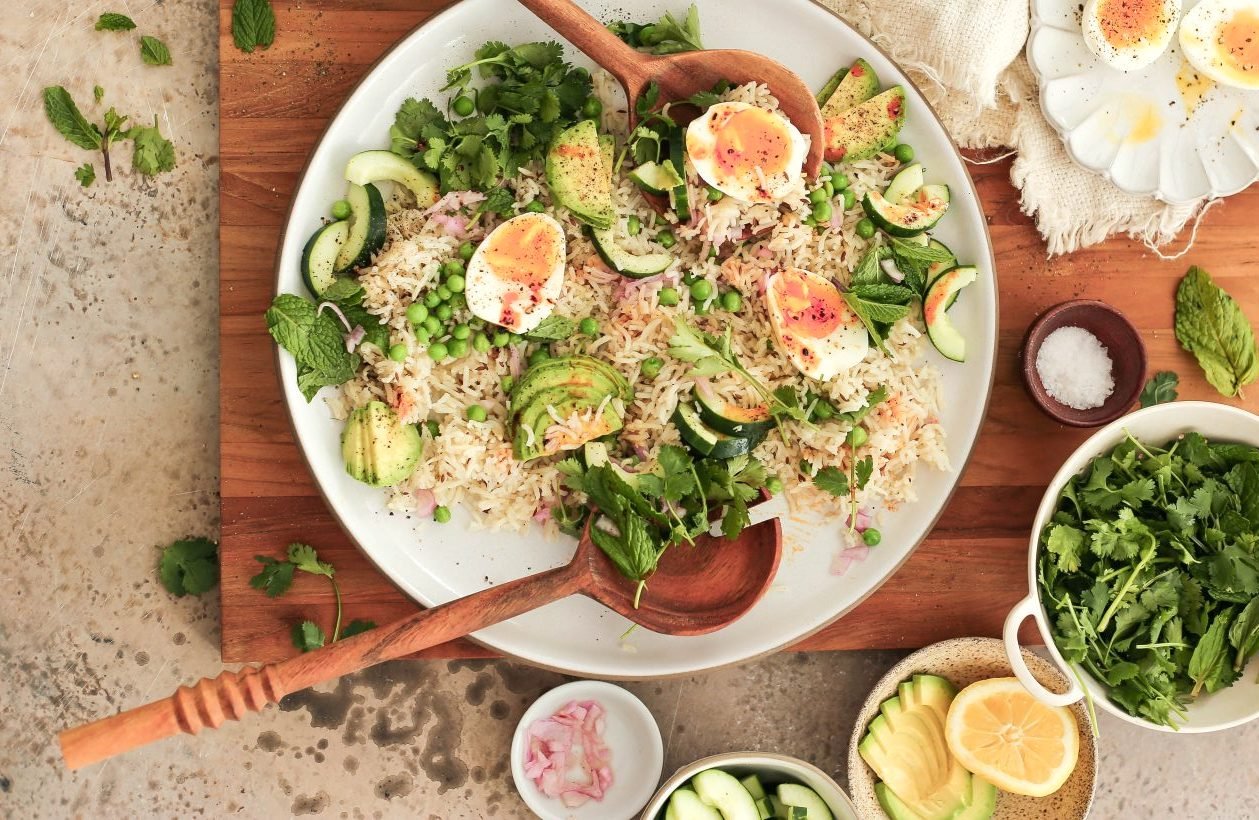
Spring Rice Salad
When it comes to gluten-free pantry staples, rice is an ingredient most of us keep stocked. Of all rice varieties, research shows that black rice has the highest antioxidant activity of all varieties, making it a nutritious base for vegetarian and omnivore meals alike. This spring rice salad is rich in healthy fats, complex carbs, and protein. It’s well-rounded and balances blood sugar, too.
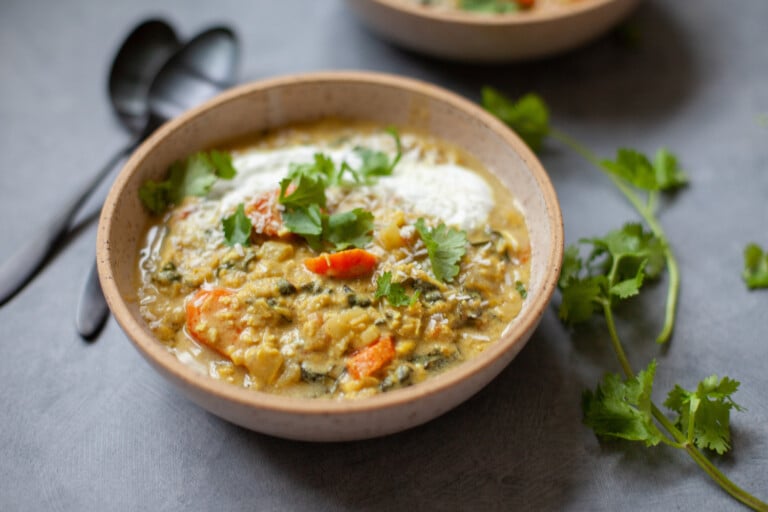
Coconut Chicken Curry with Sweet Potato And Lemongrass
This curry is on dinnertime repeat. It’s packed with nourishing herbs, spices, and veggies, and bursting with my favorite fall flavors. Plus, it’s beginner-friendly if you’re new to making curry—aside from the protein, it all comes together in just one pot. Made with coconut milk, ginger, curry paste, and chicken, it’s wonderful for reducing inflammation in the body.
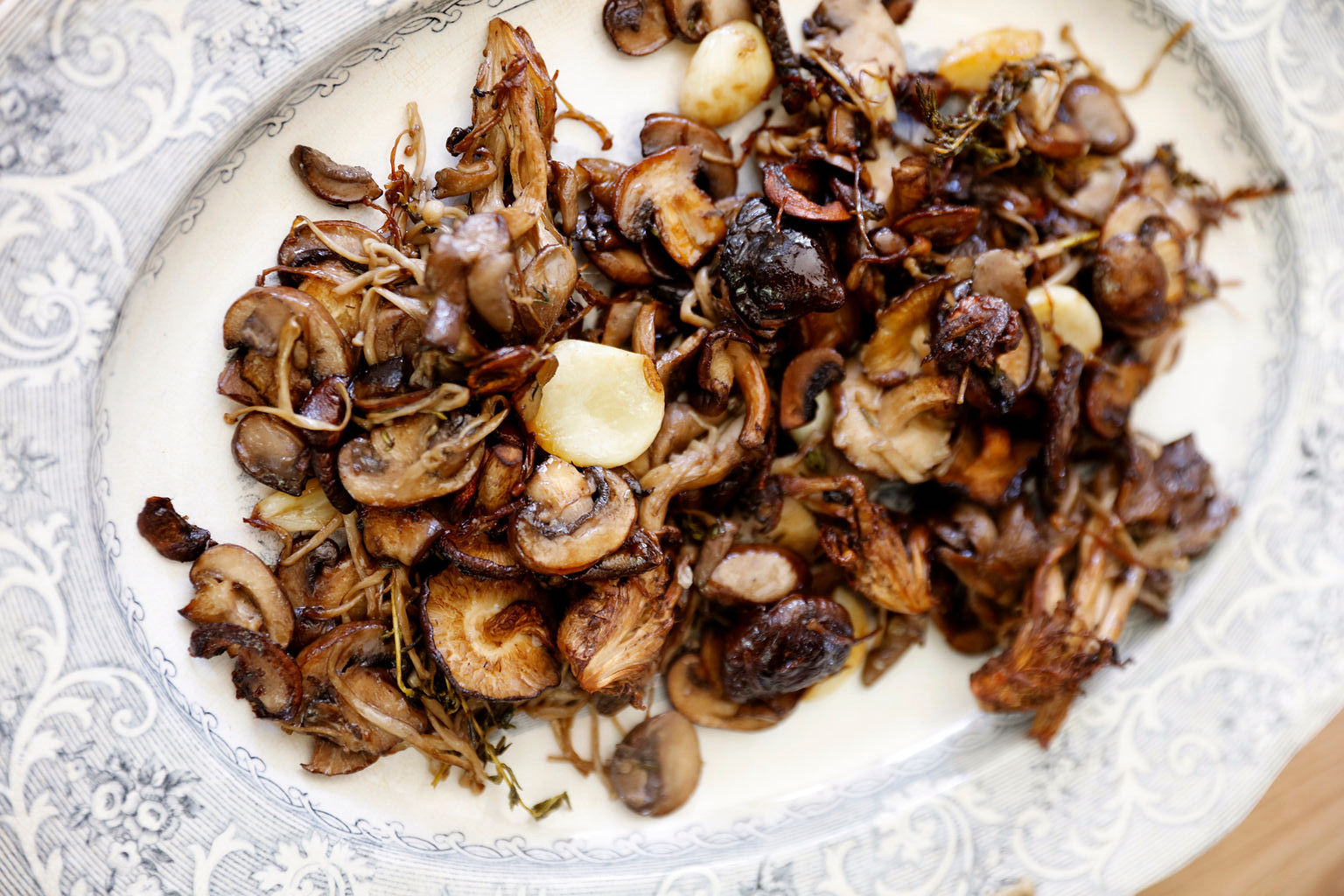
Roasted Mushrooms with Thyme and Smoked Salt
Mushrooms have high amounts of the ergothioneine and glutathione—both are antioxidants! Many medicinal mushrooms are even higher in antioxidants, but culinary mushrooms pack a good punch, too. Rest assured, these roasted mushrooms with thyme and smoked salt will convert mushroom skeptics. They’re hearty, salty, and dare we say it—meaty.
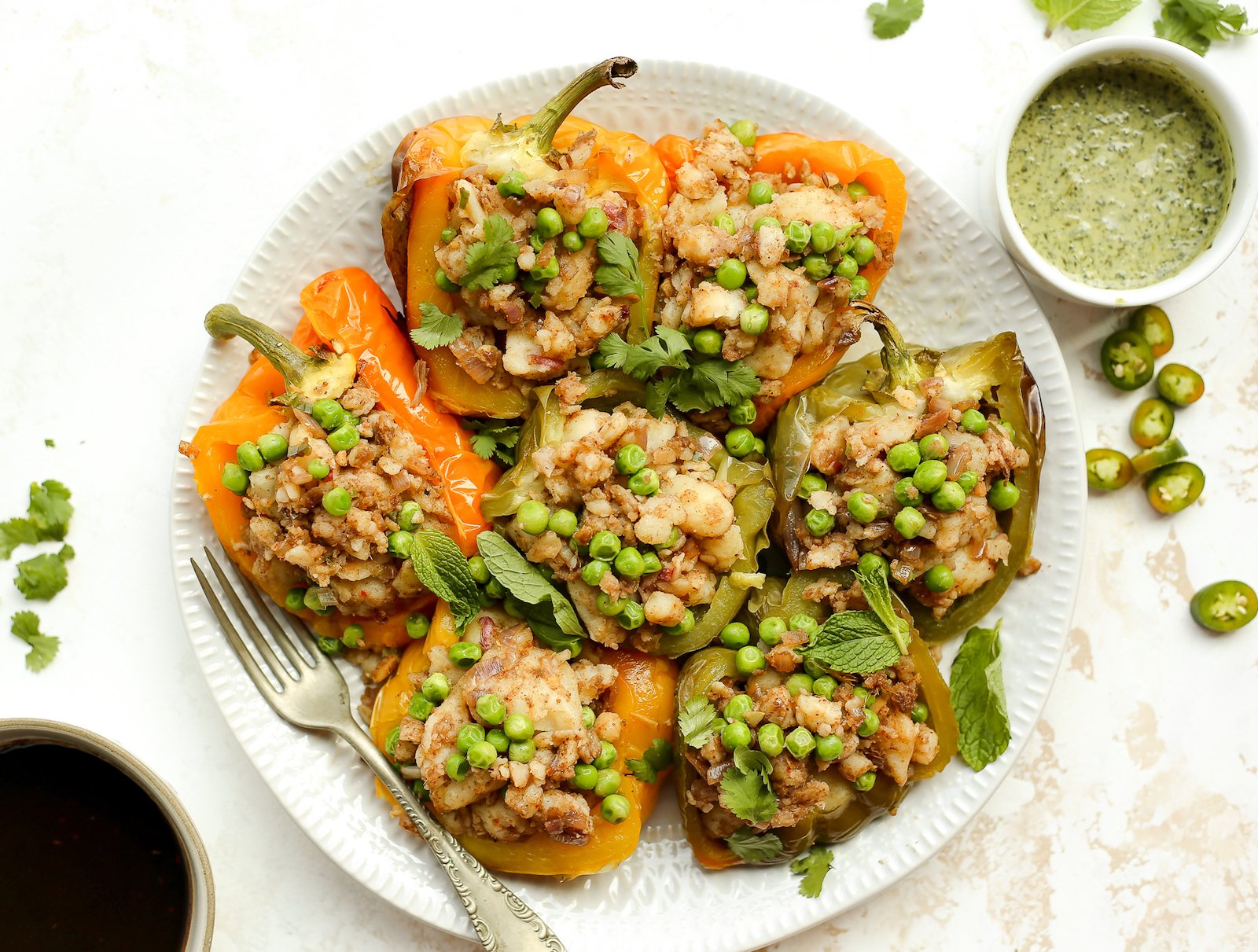
Samosa Stuffed Bell Peppers
Truthfully, nothing is better than a deep-fried and dunked-in chutney samosa. But, that doesn’t mean these stuffed bell peppers aren’t just as delicious as their own separate entity. While this recipe takes inspiration from one of our favorite fried foods, they’re definitely a little lighter and an easy weeknight dinner. Plus, the samosas are loaded in vitamin C-rich bell peppers—an added boost of anti-inflammatory nutrients.
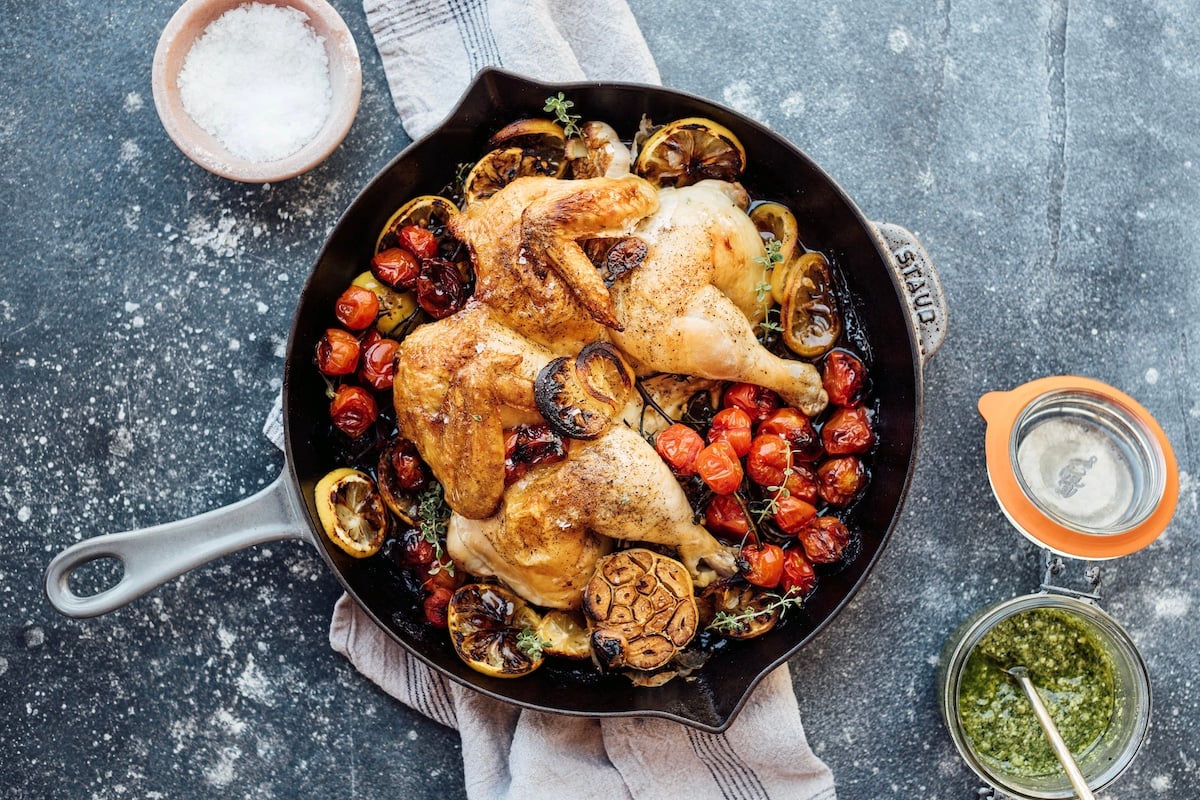
Roast Chicken With Tomatoes And Lemon
Did you know that pasture-raised chickens, pigs, lambs, and cows have higher levels of anti-inflammatory omega-3 fatty acids—and lower levels of pro-inflammatory omega-6 fatty acids—than corn-fed animals? If you want to learn more, we break down different types of egg labels, and which type you the best bang for your nutrition buck, here. If you’ve never roasted a whole chicken, now’s the time! This easy-to-master recipe is packed with anti-inflammatory herbs, lemon, and tomatoes, too.
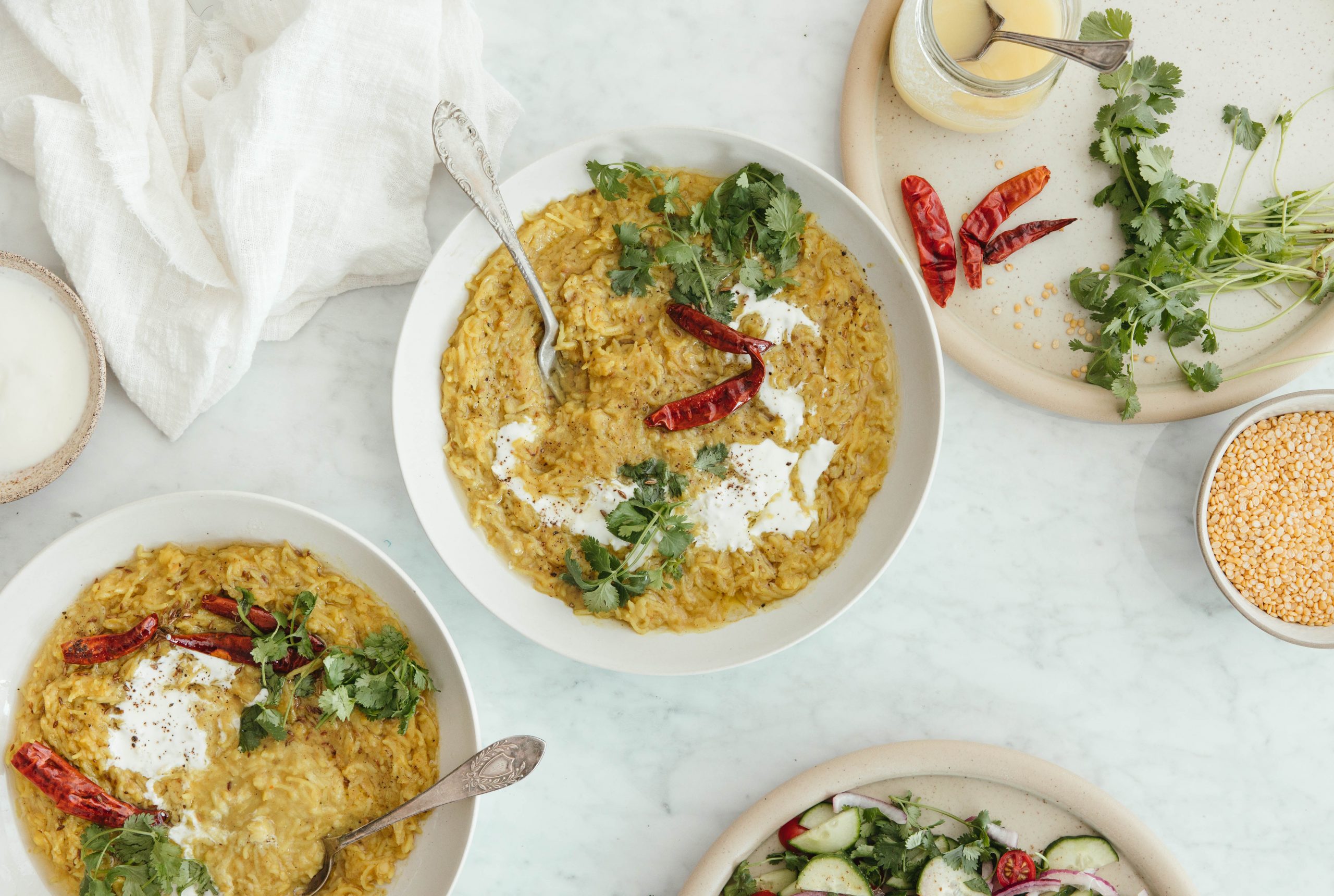
Kitchari
Meet your new go-to cozy meal. Meaning “mixture,” kitchari is a classic Ayurvedic dish that has anti-inflammatory properties. Practitioners claim that a kitchari cleanse can improve digestion, removes congestion from the body, restores energy and vitality, and more. At any rate, it’s warming, comforting, and brimming with nutrient-dense ingredients.
This post was last updated on July 31, 2025 to include new insights.